Lake Urmias level increases by 56cm
Lake Urmia's level increases by 56cm
TEHRAN - The water level of Lake Urmia in the central area is 1,270.06 meters above sea level, an increase of 56 centimeters compared to the beginning of the current water year (September 23, 2025).
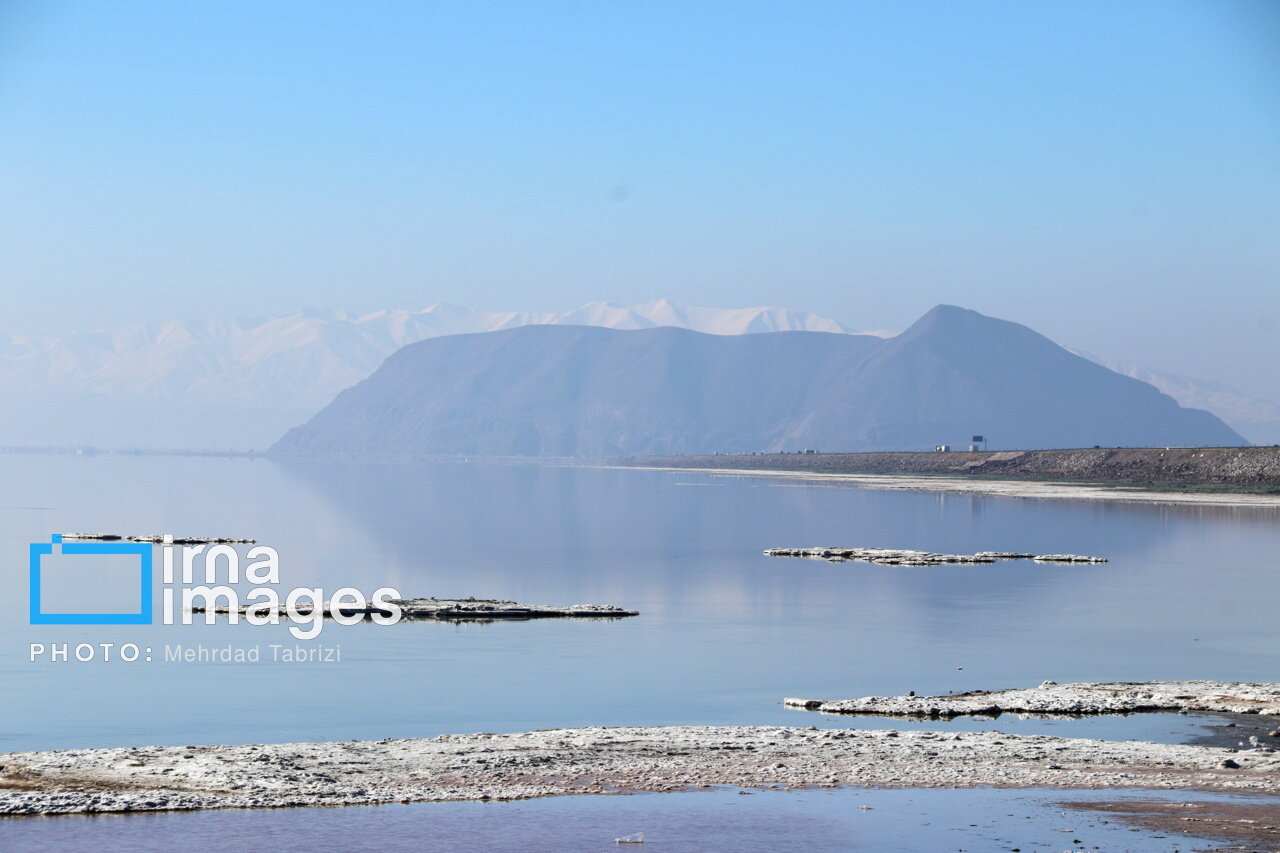
Lake Urmia in northwestern West Azarbaijan province started to dry up in the 2000s. The lake was once the largest in West Asia and the sixth-largest salt lake in the world, with a water surface area of 5,000 to 6,000 square kilometers.
The Lake’s basin plays a critical role in ensuring Iran’s food security and agricultural productivity. However, in recent years, the Basin’s water resources have significantly declined due to rising temperatures, changing precipitation patterns, and unsustainable water use.
However, the water level of Lake Urmia shows a decrease of 4.16 meters compared to the long-term average, according to IRNA.
The average rainfall in the province until January 25 is 95.9 millimeters, an increase of 38.1 percent and a decrease of 22.9 percent compared to the same period in the previous water year and the long-term, respectively.
In October, with the financial support of the Government of Japan, the Food and Agriculture Organization (FAO) of the United Nations and the United Nations Development Programme (UNDP) signed a cooperation document, aiming to help revive the lake.
The signing ceremony was held during President Masoud Pezeshkian's visit to West Azarbaijan.
The document was signed by Reza Rahmani, the Secretary of the Urmia Lake Rescue National Committee, and Ali Nazaridoust, Officer-in-Charge (on behalf of the FAO Representative to the Islamic Republic of Iran).
Titled “Enhancing Restoration Activities in Lake Urmia through the Effective Use of Agricultural Water,” the initiative aims to promote sustainable agriculture and support the restoration of one of the country’s most vital ecosystems — Lake Urmia.
In December 2024, the Government of Japan and UNDP signed an exchange of notes to launch “The Project for Developing Conservation Systems of Wetlands in Lake Urmia and Other Wetlands, Including their Surrounding Communities.”
The project, which runs from 2024 to 2028, will be implemented in partnership with the Department of Environment and FAO.
Focusing on sustainable agriculture and climate-adapted livelihoods, the initiative seeks to deliver long-term benefits for local communities while preserving the biodiversity of wetlands as critical ecosystems.
Lake Urmia faces significant challenges due to the overconsumption of water resources, magnified by climate change impacts, which have severely impacted its ecosystem.
Agricultural activities in the region are increasingly vulnerable to water shortages, a situation exacerbated by the effects of climate change. Studies indicate that these climatic changes could further disrupt agrifood systems and the lake’s fragile environment in the future.
source: tehrantimes.com