Refugees benefiting from UNIDO solar projects in Torbate Jam
Refugees benefiting from UNIDO solar projects in Torbat-e Jam
TEHRAN – Funded by the Government of the Republic of Korea and in partnership with the Center for Aliens and Foreign Immigrants Affairs (CAFIA), the United Nations Industrial Development Organization (UNIDO) implemented a project in Torbat-e Jam settlement, expanding its solar energy capacity, creating economic, environmental and social benefits for both Afghan refugees and the surrounding host community.
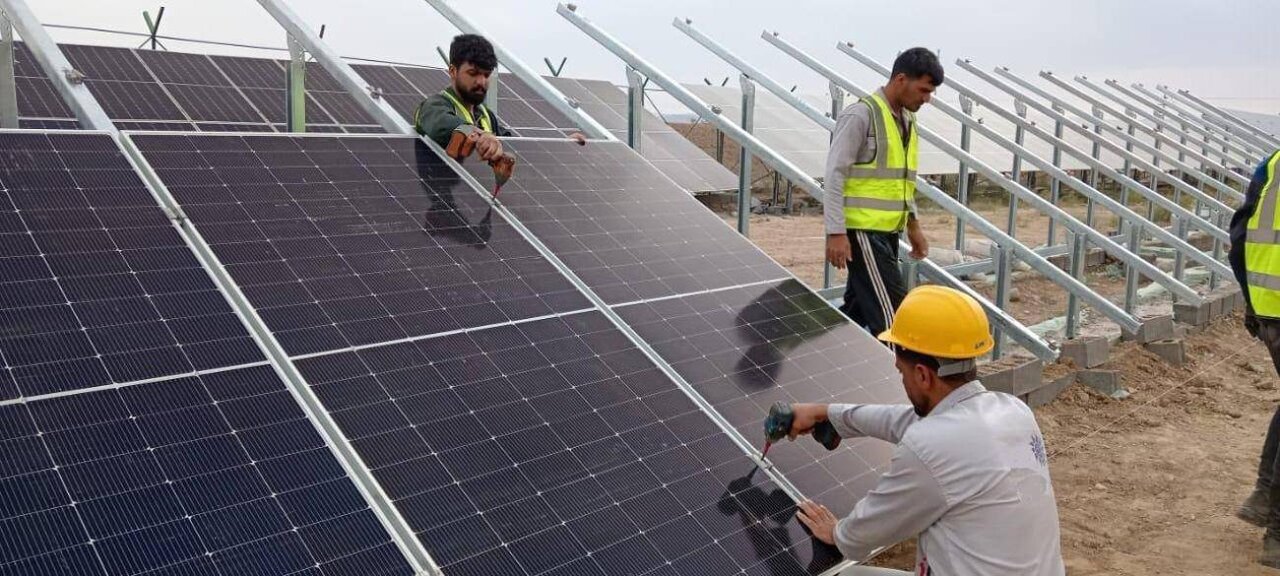
Torbat-e Jam, a refugee settlement in north-eastern Iran, is demonstrating how renewable energy can improve daily life while supporting national sustainability efforts.
The solar power expansion has significantly improved essential services, cut emissions, and supported sustainable development for refugees and hosts, the UN website announced in a press release on July 15.
The initiative is part of the project Scaling up Sustainable Settlements for Afghan Refugees in the Islamic Republic of Iran, which aims to improve living conditions, expand access to sustainable infrastructure and strengthen livelihood opportunities for refugees while supporting local communities.
Building on the achievements of the project’s first phase, UNIDO expanded the settlement’s photovoltaic power plant from 52.25 kilowatts to 200 kilowatts. The upgraded facility became operational in July 2025, enabling the settlement to generate substantially more clean electricity from one of the country’s most abundant natural resources: sunshine.
The results have been immediate. Within one year, electricity drawn from the national grid declined by nearly 36 per cent, while peak electricity demand fell by almost 60 per cent. These improvements have lowered energy costs for settlement management, reduced pressure on the national electricity network during periods of high demand, and helped provide a more reliable power supply for schools, health facilities and other community services.
The environmental benefits are equally significant. Each year, the expanded solar plant is expected to generate approximately 432 megawatt-hours of clean electricity, avoiding an estimated 285 tonnes of carbon dioxide emissions. It will also reduce natural gas consumption and save water that would otherwise be used in conventional electricity generation—an important contribution in the arid climate of Torbat-e Jam.
Beyond the technology itself, the project is investing in people. UNIDO organized hands-on training for settlement personnel on operating and maintaining the photovoltaic system, helping build local technical expertise and ensuring the long-term sustainability of the investment. The training also strengthens community ownership of the system and equips participants with practical skills that can support future employment opportunities.
“The training gave us hands-on skills and confidence to maintain and optimize the PV system,” said Mohsen, a 29-year-old participant. “I can already see how our teamwork makes power more reliable for our families and community services.”
The solar expansion also contributes to Iran’s efforts to increase the use of renewable energy, which can simultaneously advance humanitarian assistance, environmental sustainability, and national development priorities.
As the project continues, the experience in Torbat-e Jam offers a strong foundation for scaling similar interventions across other refugee settlements in Iran. With continued collaboration among UNIDO, CAFIA, Iran’s Renewable Energy and Energy Efficiency Organization (SATBA), the Government of the Republic of Korea, and national and local partners, this initiative offers a replicable model for delivering reliable, affordable, and sustainable energy solutions that strengthen both refugee communities and their hosts while advancing national climate and development goals.
source: tehrantimes.com