SistanBaluchestan advances UNESCO bid for historic Asbads
Sistan-Baluchestan advances UNESCO bid for historic Asbads
TEHRAN – Iran’s Sistan-Baluchestan is stepping up efforts to secure UNESCO World Heritage status for its historic Asbads, with officials planning a dedicated task force to strengthen the nomination dossier and highlight the province’s rich historical and cultural heritage.
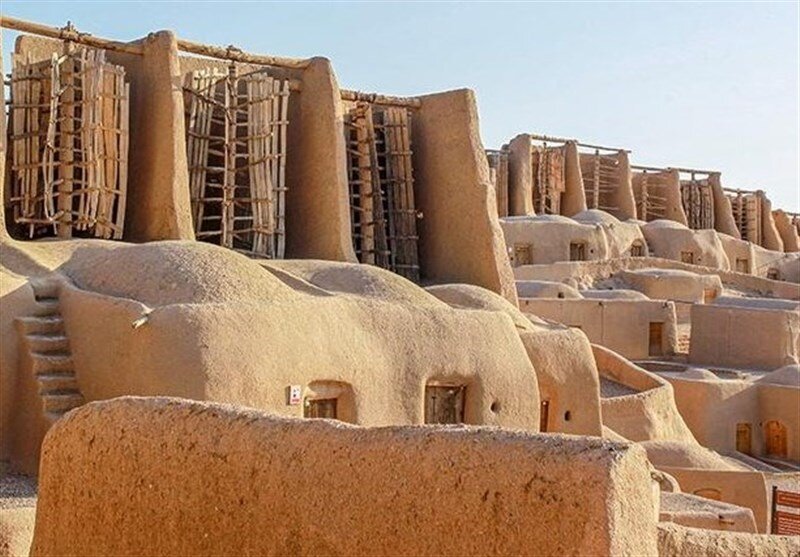
Mohammad-Hassan Talebian, head of Iran’s Asbad World Heritage nomination dossier, said the registration could help highlight Sistan-Baluchestan’s historical, social and cultural potential while contributing to tourism development and a more sustainable local economy.
Talebian made the remarks on Saturday, during a meeting with the deputy governor-general for political and social affairs of Sistan-Baluchestan province, ILNA reported.
He said the Asbad nomination is among the country’s two-stage World Heritage dossiers and that the remaining studies and required measures should be carried out in accordance with UNESCO World Heritage procedures and within the available timeframe.
“World Heritage dossiers can serve as catalysts for cultural development,” Talebian said, adding that they can contribute to heritage protection, greater community participation, the creation of new tourism destinations, improved security and the development of sustainable local economies.
He also stressed the international exposure created by World Heritage inscription, saying information about a site becomes available to global audiences in different languages, providing an opportunity to introduce lesser-known cultural and historical assets.
Iran’s Asbads are traditional vertical-axis windmills found mainly in South Khorasan, Razavi Khorasan and Sistan-Baluchestan provinces. The structures, some of which date back more than a thousand years, are regarded as among the world’s earliest known wind-powered machines.
Unlike the horizontal-axis windmills that later became widespread in Europe, Asbads were designed around a vertical-axis mechanism to harness strong seasonal winds. Historical accounts attribute their development to Iranian engineers during the early Islamic period.
The windmills were traditionally used for activities including grinding grain, pumping water and processing agricultural products, making them an important example of early renewable-energy technology.
AM
source: tehrantimes.com