Radiotherapy remains a cornerstone of cancer treatment
Radiotherapy remains a cornerstone of cancer treatment
TEHRAN - World Radiotherapy Awareness Day is marked on September 7 to raise awareness of radiotherapy as a vital cancer treatment. Radiotherapy helps cure cancer, relieve symptoms, and improve quality of life for millions of people around the world.
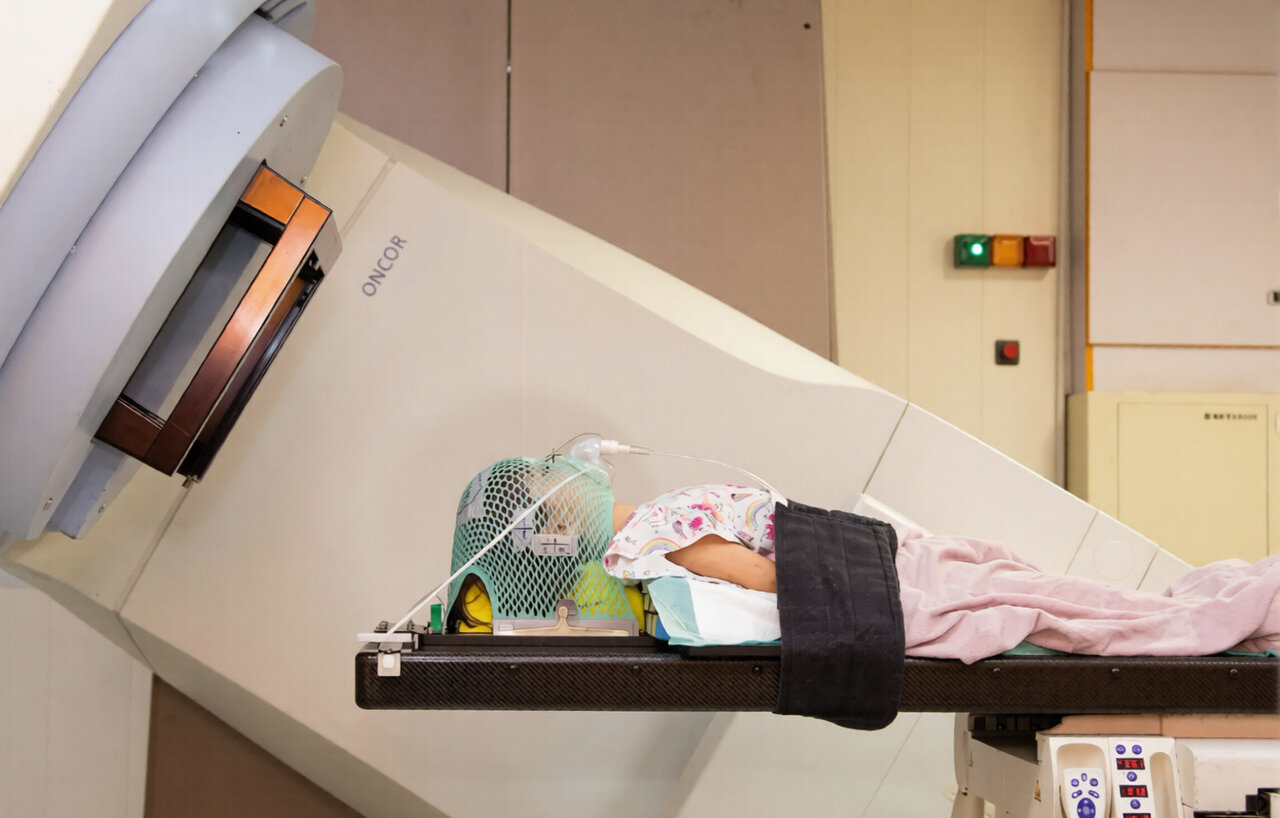
Radiotherapy is one of the oldest established methods of cancer treatment and remains a cornerstone of modern oncology, alongside surgery and chemotherapy. Its clinical history dates back to the late 19th century, following the discovery of X-rays and the early development of radiation-based treatments.
Despite its long-standing role in cancer care, access to radiotherapy remains highly unequal around the world. Low- and middle-income countries are home to the vast majority of the world's population, yet they have a disproportionately small share of global radiotherapy resources. Historically, countries in the developing world have accounted for around 85% of the global population but only about 35% of radiotherapy facilities, highlighting the significant global gap in access to essential cancer care, according to Mitra Ghalibafian, head of the radio-oncology department at Mahak Hospital.
Overall, approximately half of all cancer patients are estimated to require radiotherapy at some point during the course of their treatment, with some estimates placing the figure at 50–60% depending on cancer type, stage and treatment strategy.
Radiotherapy also plays an important role in the diagnosis, staging and treatment planning of childhood cancers. Advanced medical imaging is often essential for identifying the location and extent of a tumor, assessing its relationship with surrounding organs and tissues, and monitoring the response to treatment. Radiotherapy itself is then used, when clinically indicated, to destroy cancer cells and control or eliminate tumors.
In children, however, radiation treatment requires special consideration because growing and developing tissues can be more sensitive to radiation and survivors may live for many decades after treatment. For this reason, pediatric radiation oncology increasingly focuses on highly precise treatment techniques that deliver the necessary dose to the tumor while minimizing exposure to healthy organs.
source: tehrantimes.com