Irans family law framework can serve as model for Iraq parliament official says
Iran's family law framework can serve as model for Iraq, parliament official says
TEHRAN — Iran's legislative experience in supporting women and families, rooted in Islamic principles and Shia jurisprudence, can serve as a valuable comparative model for Iraq, a senior Iranian parliamentary official said.
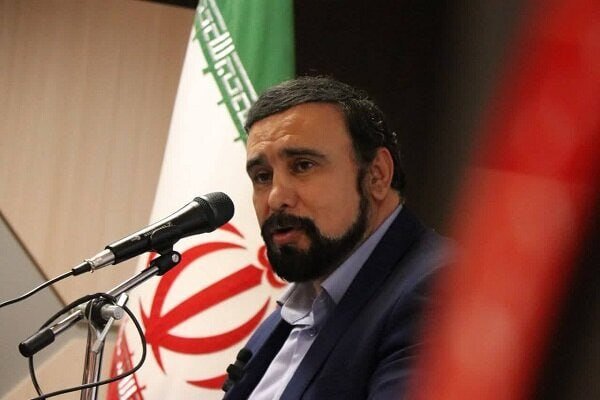
Nader Nourouzi, deputy for legal affairs at the Iranian Parliament, made the remarks during a joint Iran-Iraq specialized meeting held in Tehran on transferring Iran's legislative experience in supporting women and families, with the participation of senior female lawmakers and officials from both countries.
Nourouzi said the shared cultural and religious foundations between Iran and Iraq create strong potential for comparative legal study, noting that Iran's constitution emphasizes the growth of women's personality and the restoration of their material and spiritual rights. He pointed to legal provisions covering maternity support, child custody, family protection, and special insurance for women — particularly widows and the elderly.
He highlighted Iran's 2013 Family Protection Law as addressing spousal relations, specialized family litigation, protection for women at risk of harm, and reconciliation and counseling mechanisms prior to court referral. Nourouzi added that laws on population and family have also created capacities in supporting childbearing, children, and working women, while the Civil Code outlines spousal duties and mechanisms for children without guardians or at risk, involving judicial, prosecutorial and welfare organization interventions.
He said Iran's parliamentary library and documentation center stand ready to provide Iraq with the necessary laws and records.
The meeting, held on September 15, was hosted by MP Somayeh Rafiei, a member of the Parliament Presiding Board, and brought together Zahra Khodadadi, head of the Women and Family Faction; Alieh Zamani Kiasari, head of the Population and Family Committee; Fatemeh Mohammadbeigi, deputy head of the Health Commission; and a delegation of Iraqi women officials and experts, including Hala Jaberi and Hoda Sajjad Mahmoud Shaker, a former Iraqi MP and deputy labor minister.
Rafiei proposed forming a joint Iran-Iraq working group on women and family affairs to exchange legislative experience, while Mohammadbeigi suggested holding quarterly joint sessions covering children, women, and social, cultural and economic affairs.
Participants also linked the discussion to regional developments, with several Iranian officials stressing that Iranian women and families played a key role in confronting recent pressures on the country and calling for continued Iran-Iraq cooperation against what they described as foreign interference in the region.
The session concluded with an agreement to continue exchanging legislative documentation and to move forward with establishing the proposed joint working group.
source: tehrantimes.com