October 7 genocide and Yemen
October 7, genocide and Yemen
TEHRAN – Since the Second World War, West Asia has emerged as a region in which the fate of the world is increasingly determined.
The region’s importance has only grown with the emergence of the Zionist regime and the strategic significance of oil. It has consequently witnessed a series of bloody regional and international confrontations.
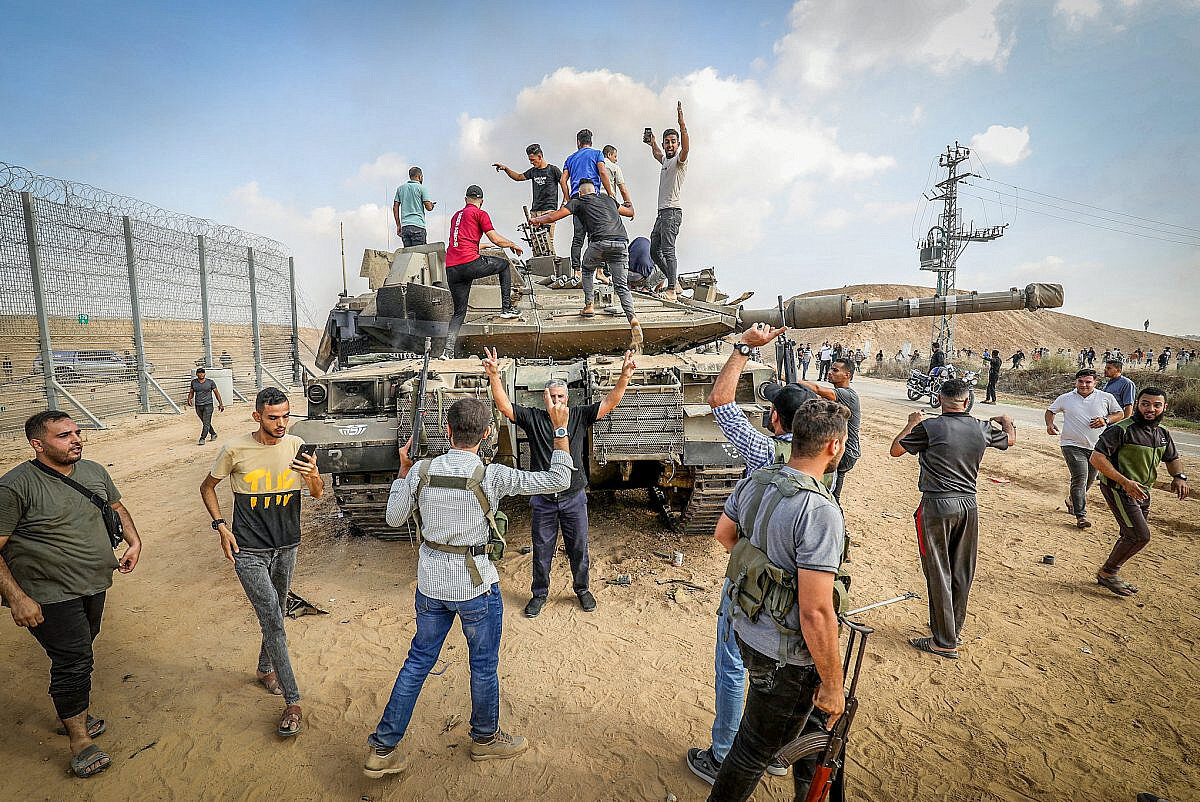
Al-Aqsa Flood, carried out by Hamas’s armed wing with the participation of other Palestinian resistance groups, shook the world. It shattered the Zionist narrative surrounding the Palestinian people and their rights, exposed the hollowness of the capitalist discourse on democracy and human rights, and disrupted efforts to expand the Abraham Accords and bring the largest Arab oil-producing state into the fold.
Amid a U.S.-backed genocide in Gaza, it returned the Palestinian cause to the forefront of global affairs and reminded the Arab world once again that Palestine is not solely the cause of the Palestinian people. Nor is it an “Israeli-Palestinian” dispute. It is the cause of the entire Islamic and Arab world.
The Axis of Resistance: Hezbollah, Ansarallah, the Iraqi resistance movement, and Iran, soon entered the battle through a support front. Its impact would undoubtedly have been greater had the Hamas operation, whatever its calculations may have been, gone beyond the initial element of surprise and expanded to some form of communication within the resistance axis.
The reason is that the enemy camp, the American-Zionist alliance, had already laid the groundwork for setting the region ablaze in pursuit of a “Greater Middle East” project.
In light of all this, several points deserve emphasis:
Every confrontation with the U.S.-Zionist alliance is subjected to a process of preemptive demonization, with the culture of resistance itself blamed for the human and material costs of war. Yet Europe, for example, lost 50 million people in two wars fought on its own soil, while numerous European capitals, including London, were nearly destroyed in the process.
The same is true of the wars of liberation fought by Vietnam, China, Algeria, and others, in which millions of people were sacrificed.
The Israeli regime’s losses since October 7, and its illegal wars with Lebanon, Yemen, and Iran, exceeded all the losses it had suffered since it was founded in 1948.
For those who question the seriousness of these confrontations, it is worth recalling that most of the first- and second-tier leadership of Hezbollah and Hamas, as well as a number of Iranian leaders, were martyred in these battles.
Those who expect any given battle, war, or confrontation to produce immediate strategic breakthroughs and then judge it according to that expectation inevitably fall into despair, accusations, or even outright rejection of the struggle when those breakthroughs do not materialize. Such people overlook, or fail to understand, that the struggle against the Zionist regime and its imperialist and reactionary extensions is far broader, more complex, and more difficult than anything that has taken place so far.
Nor have any resistance forces demonstrated greater sacrifice, selflessness, courage, heroism, discipline, organization, and commitment to martyrdom than Hezbollah, Palestinian resistance forces, as well as Yemen and Iran.
There can be no doubt that not a single drop of blood shed by their leaders, fighters, or people will have been in vain. More importantly, these experiences constitute a solid foundation for continuing a long road that has yet to reach its destination.
One war gives birth to another: Yemen
Following American statements that Washington would not permit the loss of, or any transfer of control over, Bab al-Mandab, warnings have emerged of a new crisis resembling the one surrounding the Strait of Hormuz. Amid these warnings, forces backed by Saudi Arabia, the U.S., and other regional and international actors have begun a military campaign to besiege the Sanaa government forces.
The prelude to this was a campaign of fabricated accusations alleging that Ansarallah had attacked Islam’s holiest site, Mecca.
Ansarallah responded with mass demonstrations numbering in the millions, demonstrating the Yemeni people’s support for the Sanaa government. It then launched a broad military campaign, seizing the equipment of entire military units.
Bab al-Mandab itself came within their missile range, and before long, the entire Red Sea had effectively become part of the battlefield. Ansarallah’s missiles also reached the land routes that the oil-rich Persian Gulf states had been relying on as alternatives to the Strait of Hormuz and Bab al-Mandab.
Ansarallah were fully aware of where this was heading and expected hundreds, even thousands, of American, Atlantic, and Saudi airstrikes in response to the defeats suffered by their forces on the ground.
According to preliminary estimates, the combined number of airstrikes and missiles launched against Yemen by the Americans and their allies since March 2015 rivals the scale of the Normandy campaign against Germany during the Second World War.
The air campaign can point to the scale of its bombardment and, once again, try to confuse the picture. But Ansarallah’s experience has demonstrated and reaffirmed a historical lesson repeatedly shown by Yemeni resistance: every invading power and every local force serving it has ultimately faced defeat.
Neither Portugal, the Ottoman Empire, nor Britain at the height of their power escaped defeat at the hands of the Yemenis. Nor could any of them break the Yemenis’ sense of dignity or pride in their history, including their resistance to Wahhabism and its extensions, which sought to dominate and control Yemen throughout the 20th century.
The same pattern is being repeated today, this time with the backing of the U.S. and its European and regional allies, alongside a group of Yemeni political figures who claim to represent Yemen’s legitimate government, even though their claim to legitimacy is based solely on the support they receive from Riyadh and Washington rather than from Yemen itself.
source: tehrantimes.com