FAO representative highlights livestock sectors role in food security rural employment
FAO representative highlights livestock sector’s role in food security, rural employment
TEHRAN – The Food and Agriculture Organization of the United Nations (FAO) Representative in the Islamic Republic of Iran Farrukh Toirov, has underscored the strategic importance of the livestock and poultry sector for the country’s food security, rural employment and agricultural economy, emphasizing the need to promote sustainable development through innovation, stronger animal health services and the conservation of indigenous livestock genetic resources.
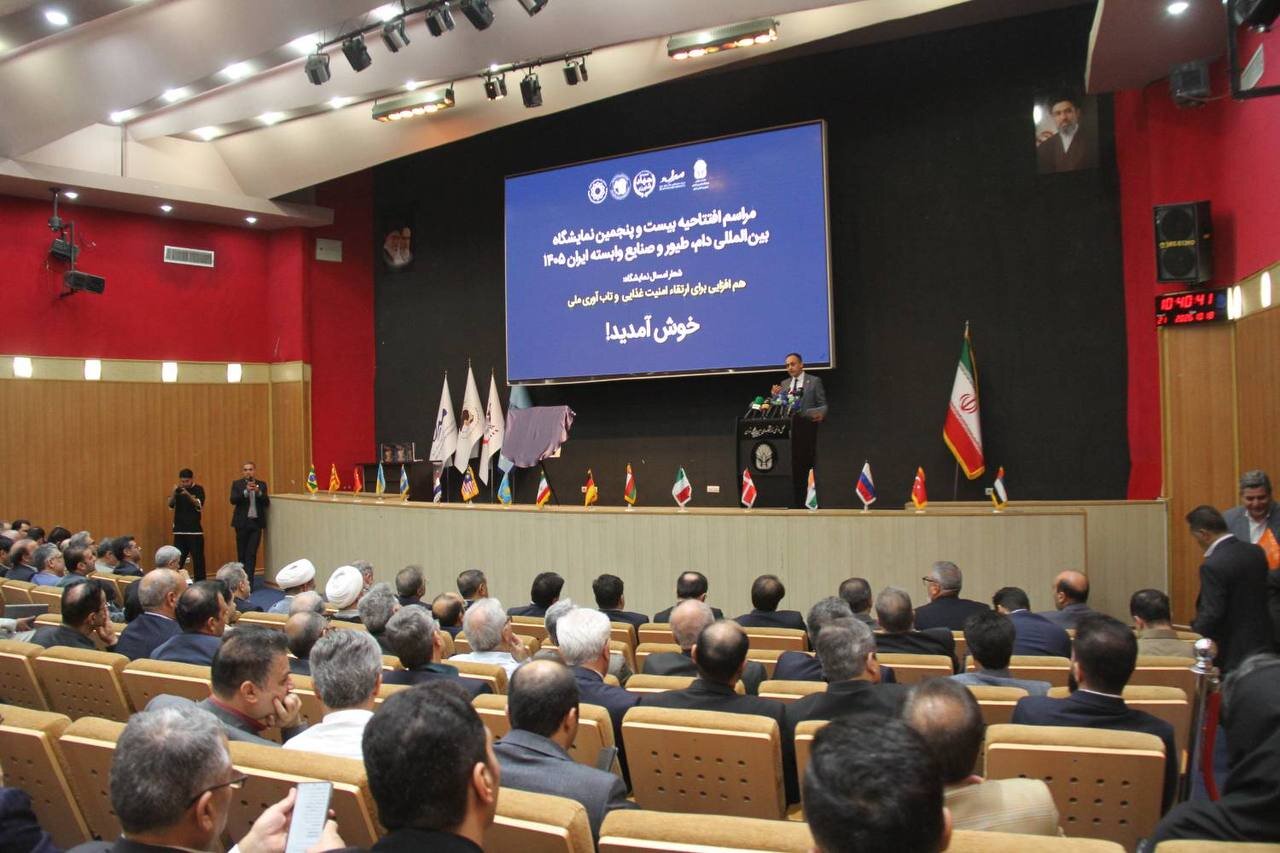
He made these remarks during a speech at the 25th International Exhibition of Livestock, Poultry and Related Industries, held in Tehran on Sunday.
Highlighting Iran’s technical capacities, research institutions and private sector expertise in livestock and poultry production, the Representative described the exhibition as an important opportunity to strengthen partnerships, exchange knowledge and promote innovative solutions to improve productivity and resilience across livestock production systems.
According to the FAO Representative, meeting the growing demand for nutritious animal-source foods requires improvements in production efficiency, animal health, feed-use efficiency, food safety and environmental sustainability. The Representative also identified water scarcity, rangeland degradation, feed availability and costs, and animal diseases as major challenges facing the sector.
Referring to FAO’s longstanding cooperation with the Ministry of Agriculture Jahad and national technical and research institutions, the Representative highlighted the conservation and sustainable development of endangered indigenous livestock genetic resources as an important area of ongoing collaboration.
In this context, FAO is implementing a Technical Cooperation Programme project focused on valuable indigenous breeds, including Bactrian camels, Sarabi cattle, Mahabadi goats and Markhoz goats. The project aims to strengthen conservation approaches, promote community-based breeding programmes and support the livelihoods of livestock keepers.
Indigenous livestock breeds represent valuable genetic resources because of their adaptation to local climatic and environmental conditions. Their conservation not only contributes to agricultural biodiversity but also strengthens the resilience of livestock production systems under challenging environmental conditions, preserving options for future livestock development.
FAO has also previously supported the conservation of Bactrian camels in Iran and introduced mobile livestock biotechnology and reproductive services for livestock keepers in the country’s northwestern regions through its technical cooperation initiatives. These experiences provide a foundation for expanding community-based livestock services, improving access to specialized technical support and strengthening the productive capacities and livelihoods of rural and pastoral communities.
The FAO Representative also emphasized that animal health is a fundamental pillar of food security, public health and sustainable production. The One Health approach, which addresses risks at the human–animal–environment interface, is essential to tackling zoonotic diseases, transboundary animal diseases and antimicrobial resistance. Strengthening veterinary services, surveillance and early warning systems, biosecurity measures and the responsible use of antimicrobials was identified as critical to reducing economic losses, protecting livestock productivity and safeguarding public health.
In a further part of the address, the Representative referred to FAO’s emergency support for Iran’s fisheries sector following the impacts of the recent armed conflict. The emergency Technical Cooperation Programme project aims to restore essential fishing capacities, support affected coastal communities and strengthen household food security and livelihoods, particularly in the provinces of Sistan and Baluchestan and Hormozgan.
Referring to the United Nations’ designation of 2026 as the International Year of Rangelands and Pastoralists, with FAO serving as the lead agency, the Representative highlighted the importance of sustainable rangeland management, agricultural biodiversity conservation and support for pastoral communities.
Concluding the address, the FAO Representative called for stronger collaboration among government institutions, research centres, producers and the private sector, linking the future of livestock and poultry production to the theme of World Food Day 2026, “Innovate Today, Nourish Tomorrow.” The Representative stressed that combining scientific innovation with traditional knowledge and locally adapted solutions can improve productivity, enhance nutrition, protect the environment and strengthen rural livelihoods.
source: tehrantimes.com