National Museum of Iran highlights public role of archaeology on Intl Archaeology Day
National Museum of Iran highlights public role of archaeology on Intl. Archaeology Day
TEHRAN – The National Museum of Iran has reaffirmed its commitment to making the country’s archaeological heritage accessible to the public, highlighting the role of museums in communicating scientific discoveries and fostering a broader appreciation of the past on International Archaeology Day.
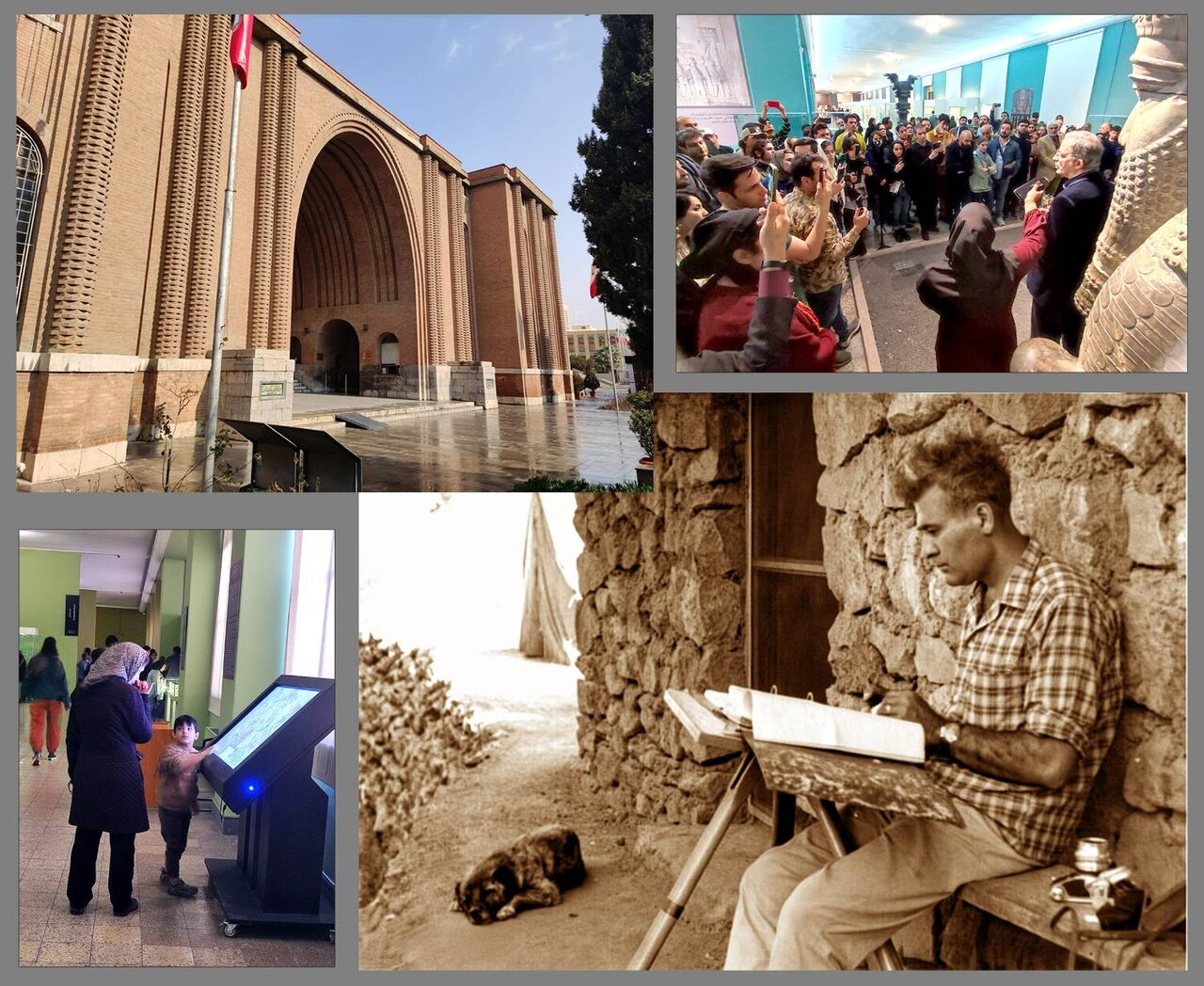
Observed annually on the third Saturday of October, International Archaeology Day provides an opportunity to recognize archaeology’s contribution to understanding past societies and to reflect on the importance of sharing archaeological knowledge beyond academic circles. As Iran’s foremost archaeological museum, the National Museum of Iran has long sought to bridge the gap between archaeological research and the public through exhibitions and educational initiatives that bring the country’s rich cultural heritage to wider audiences.
Marking the occasion, Dr. Jebrael Nokandeh, director general of the National Museum of Iran, paid tribute to Dr. Ezatollah Negahban (1921–2008), widely regarded as the father of modern Iranian archaeology, emphasizing his pioneering contributions to archaeological research and public engagement.
“Through his excavations at Marlik, Haft Tappeh, Tappeh Zagheh, Qabrestan, and Sagzabad, Negahban opened new horizons in the study of Iran’s archaeological heritage,” Nokandeh said. “Yet his contribution extended well beyond excavation and academic publication. He worked tirelessly to bring archaeology closer to the public and to demonstrate its importance in understanding and preserving the past.”
Negahban employed a wide range of approaches to promote public awareness of archaeology, organizing exhibitions, giving interviews and lectures, participating in radio and television programs, writing articles for general audiences, and inviting members of the public to visit archaeological excavations. Through his teaching at the University of Tehran, he also helped introduce Iranian archaeology to wider audiences and encouraged greater public engagement with the country’s cultural heritage.
His excavations at Marlik and Haft Tappeh brought significant archaeological discoveries to wider attention. The Marlik collection, renowned for its remarkable artifacts, and the finds from Haft Tappeh, including the Elamite royal tomb, have become important elements of Iran’s archaeological heritage, attracting interest both nationally and internationally.
“Negahban’s legacy reminds us that archaeology is not solely a scientific discipline; it is also a means of connecting people with their history and cultural identity,” Nokandeh said. “Archaeological museums have a particular responsibility to communicate research findings in ways that are accessible, engaging, and meaningful to the public.”
Continuing this tradition, the National Museum of Iran seeks to strengthen the relationship between archaeological research, museums, and society. International Archaeology Day, Nokandeh noted, is an opportunity to recognize the efforts of archaeologists, museum professionals, and all those who contribute to the study and presentation of the past.
He also emphasized that safeguarding archaeological sites, preserving cultural objects, and making archaeological knowledge available to future generations require collective commitment. The protection of cultural heritage, he stressed, is a shared responsibility that extends beyond museums and research institutions to society as a whole.
AM
source: tehrantimes.com