Restored version of Bashu the Little Stranger to screen in Canada
Restored version of ‘Bashu, the Little Stranger’ to screen in Canada
TEHRAN – A restored 4K version of “Bashu, the Little Stranger,” the acclaimed film by late Iranian filmmaker Bahram Beyzaie, will be screened at Carbon Arc Cinema, an independent art-house theater in Halifax, Canada, on November 22.
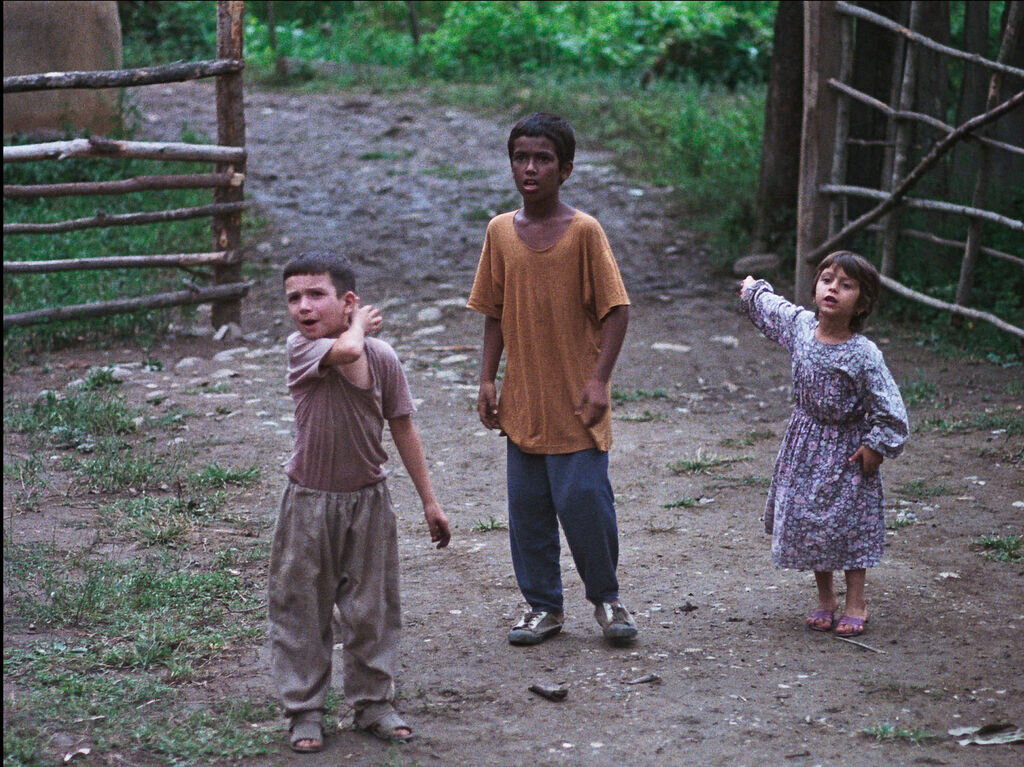
The screening is scheduled for 5:30 p.m. local time on Sunday, offering Canadian audiences an opportunity to see the restored version of one of the landmark works of Iranian cinema. The film will be presented with English subtitles.
According to the Public Relations and International Affairs Department of the Institute for the Intellectual Development of Children and Young Adults (Kanoon), the screening is part of the international presentations of the restored version, which have introduced Beyzaie’s work to audiences in different countries.
The Halifax screening follows an earlier presentation of the restored 4K version in Montreal, where the film was screened at Cinéma Moderne on October 14. The two screenings are part of the film’s international circulation following its restoration with the support of Kanoon.
Released in 1989, “Bashu, the Little Stranger” follows a young boy from southern Iran who loses his home and family during the Iran-Iraq War. Fleeing the devastation, he takes refuge in a village in northern Iran, where he finds himself in an unfamiliar environment, surrounded by people who speak a different language and follow different cultural traditions.
His arrival initially exposes him to suspicion and rejection from the local community. However, Naii, a rural woman who takes him under her protection, gradually develops a close bond with the displaced child. Their relationship becomes the emotional center of the story, transcending linguistic, cultural and ethnic differences.
The touching acclaimed drama, however, carries subtle undertones about human emotions like love, loneliness, and unfamiliarity.
Through Bashu’s experience, Beyzaie explores the impact of war on children and civilians, while addressing broader themes of displacement, identity, social acceptance and coexistence. The film portrays the difficulties of finding a sense of belonging in an unfamiliar society and highlights the role of compassion and human connection in overcoming divisions.
“Bashu, the Little Stranger” is widely regarded as a significant achievement in Iranian cinema, particularly for its portrayal of the human consequences of war through the eyes of a child.
In 1999, “Bashu, the Little Stranger” was voted the best Iranian movie of all time by a poll of 150 movie experts.
Born in Tehran in 1938, Bahram Beyzaie was a celebrated Iranian playwright, filmmaker and scholar whose work blended Persian mythology, epic literature, particularly Ferdowsi’s Shahnameh, and contemporary social issues.
Before turning to cinema in the 1970s, he had established himself as a leading playwright and historian. Often called the Shakespeare of Iran, he was admired for his mastery of Persian and his exploration of Iranian history and cultural identity through drama.
His notable works include “Ballad of Tara” (1979), “Death of Yazdgerd” (1982), and “Killing Mad Dogs” (2001).
After moving to the United States in 2010, Beyzaie continued his cultural and academic activities at Stanford University, teaching and researching Persian theater, cinema and mythology. His enduring creative commitment was also reflected in the manuscript “Dash Akol According to Marjan,” completed five years before his passing.
The film's new 4K restoration was carried out at Roashana Studios with the support of Kanoon. The project is part of efforts to preserve and revive important works of Iranian cinema and make them accessible to new generations of viewers in Iran and abroad.
Carbon Arc Cinema, located in downtown Halifax, is an independent art-house venue whose programming includes international, Canadian and independent films, as well as significant works from cinema history.
SAB/
source: tehrantimes.com