Inauguration of 10 strategic projects adds 32 mcm to countrys gas production capacity
Inauguration of 10 strategic projects adds 32 mcm to country’s gas production capacity
TEHRAN- In a major boost to the country’s energy capacity, 10 strategic oil and gas projects worth $350 million were inaugurated on Saturday, November 28, in the presence of President Masoud Pezeshkian, adding 32 million cubic meters per day (mcm/d) to Iran’s sweet gas production capacity.
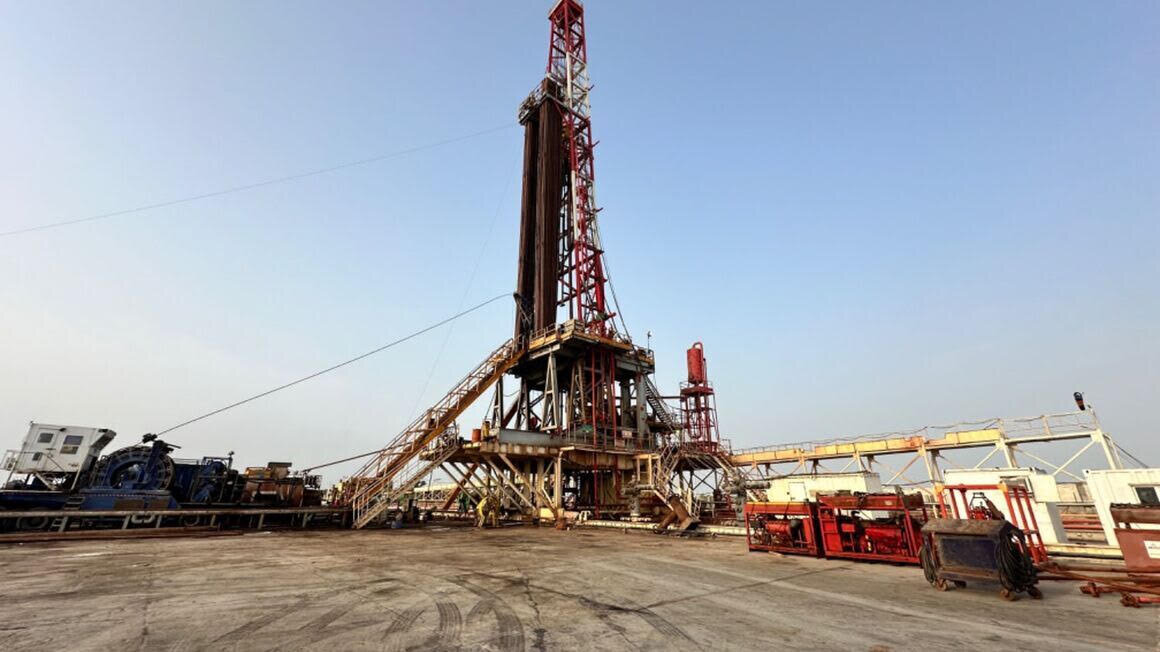
The projects—covering the restoration of damaged South Pars trains, pressure boosting at the Homa field, separation at the Tabnak field, the Darkhovin gas transmission line, and flare gas gathering at Marun 3 and 5—are aimed at compensating for part of the seasonal gas imbalance while preventing the waste of national resources. The inauguration also marked the return of 20 mcm/d of gas to the national trunkline through the revival of Refinery 6’s third train and Refinery 4 at South Pars, alongside measures that have so far returned about 106 mcm/d of gas to the production cycle.
As reported, the revival and restoration of the third train of Refinery 6 and the return of South Pars Refinery 4 were completed by carrying out 3.6 million specialized man-hours of round-the-clock work in three shifts, removing 4,300 tons of damaged equipment, and investing more than 60 million euros over a compressed period of four months, returning 20 million cubic meters of gas per day to the national pipeline.
The project for the restoration, renovation, and repair of Refinery 6 of the South Pars Gas Complex began in the first days of Ordibehesht (late April) this year and officially returned to operation on 30 Aban (October 21) this year, and today it was officially inaugurated.
Simultaneously with the restoration of Refinery 6, numerous measures were taken to return Refinery 4 to the production cycle and compensate for the feed shortage caused by incidents and the shutdown of offshore lines and facilities, and this plan was also inaugurated today.
The Homa field gas pressure boosting station entered the circuit with a 126 million euro investment by the non-governmental sector to add seven million cubic meters per day to the country's gas production capacity.
The Homa reservoir, from which about 2.9 trillion cubic feet of its initial reserve has been extracted so far, needed this facility from the year 1405 to continue production due to natural pressure decline, and it has now been successfully commissioned.
The Tabnak gas field separation center was inaugurated with an 85 million euro investment. The Tabnak field has 20.7 trillion cubic feet, equivalent to 586.2 billion cubic meters of gas in place, and 16 trillion and 800 billion cubic feet, equivalent to 475.7 billion cubic meters of recoverable gas.
With the construction of this separation center, the possibility of stabilizing the daily production of 35 million cubic meters of gas in the years 1406 and 1407 was realized, and the final recoverable gas volume of the field was upgraded from 14.2 to 14.8 trillion cubic feet.
Four flare gas gathering plans in the Maroun 3 and 5 complex came online with the aim of protecting resources and generating $22 million in annual revenue, gathering about 30 million cubic feet of gas per day and preventing its burning.
23 million cubic feet per day is the share of 2 gathering and pressure boosting plans, and seven million cubic feet is the share of 2 sweetening plans.
Three plans with a capacity of 26 million cubic feet per day are located in Maroun 3, including the plan for gathering gases from the second stage of Asmari sweetening with a capacity of 15 million cubic feet as the largest part, and low-pressure Bangestan gases of Maroun 3 with a capacity of 8 million cubic feet.
One plan with a capacity of four million cubic feet per day has been implemented in Maroun 5. These projects have provided sustainable employment for 140 people, most of whom are local forces, and the domestic manufacturing share in their equipment reaches 60 percent.
Also, the Darkhovin gas transmission line to the NGL 3200 plant was put into operation with the construction of 61 kilometers of pipeline and a $17.5 million investment.
The executive process of this plan began in the year 1403 and bore fruit in Aban 1405, and today, with the transmission of 70 million cubic feet per day of associated gas from the Darkhovin field to the Hoveyzeh Persian Gulf gas refinery (NGL 3200), petrochemical feed is supplied and the burning of associated gases in flares is prevented.
President Masoud Pezeshkian at the inauguration ceremony of these plans, emphasizing the prevention of flare gas burning and the necessity of optimal use of this national wealth, said: Although the measures taken in gathering these gases are valuable, we must not let even one cubic foot of gas burn or be wasted without purpose.
Explaining the enemy's plans to create dissatisfaction by disrupting energy supply, he added: The enemy seeks to create deficiencies and shortages in order to create social challenges; therefore, strengthening the infrastructure for supplying the people's energy is vital. Successfully passing through the cold season without blackouts, in addition to developing networks, requires the general public's cooperation in the optimal consumption of gas, electricity, and petroleum products.
The President also, referring to the $350 million investment, equivalent to 70 thousand billion tomans, for these 10 projects and the realization of a daily increase of 32 million cubic meters of sweet gas, announced: The host provinces of the oil industry, such as Khuzestan, have an irreplaceable champion role, and we will follow up so that the share of the people of these regions in the development process and benefiting from the projects' advantages is appropriately increased.
Hamid Bovard, the Acting Oil Minister, at this ceremony, referring to the measures taken to increase gas production along with efforts to gather flare gases, said: So far, about 106 million cubic meters per day of gas has returned to the production cycle.
Referring to the ministry's plans to restore damaged facilities and compensate for part of the gas imbalance, he stated: From Esfand 1404, due to damage to part of South Pars facilities, the Ministry of Oil's priorities were revised, and alongside the restoration of these facilities, increasing production using other capacities, gathering flare gases, and accelerating the implementation of plans were placed on the agenda.
Bovard, referring to the financial resources foreseen for advancing these plans, said: In this framework, about $350 million, equivalent to 70 thousand billion tomans, has been considered.
The acting oil minister, stating that the intensification of sanctions has not been able to create a disruption in the will of the managers and employees of the oil industry to restore and advance projects, continued: With planning and division of work among different complexes, efforts were made to supply priority needs and pursue the implementation of plans by relying on domestic capacities.
Ramin Hatami, CEO of the National Iranian South Oil Company, referring to this company's 70 percent share, said: With the implementation of various plans, about 260 million cubic meters of flare gas has been gathered.
He announced the transfer of 19 new flare gas gathering projects to the private sector next year and added: To reduce the gas imbalance, up to 20 million cubic meters will be added to the daily production capacity before the peak of cold weather.
Gholam Abbas Hosseini, CEO of the South Pars Gas Complex Company, reported the carrying out of 3.6 million specialized man-hours for the restoration and startup of the third gas train of Refinery 6 and the return of Refinery 4 to the production cycle, and said: This operation was carried out at a cost of more than 60 million euros and in a period of four months.
He noted: To implement these projects, 3.6 million specialized man-hours were carried out in the form of three work shifts and around the clock, and alongside that, 4,300 tons of debris were removed from various parts of these refineries.
Hosseini, stating that a wide range of technical and engineering operations was carried out in this path, added: The investment and cost incurred for these projects was more than 60 million euros, and the result of these efforts is the return of a daily capacity of 20 million cubic meters of gas to the country's national pipeline.
MA
source: tehrantimes.com