Iran FM asks for evidence as West repeats casualty lies to justify future aggression
Iran FM asks for evidence as West repeats casualty lies to justify future aggression
TEHRAN – Iran’s Foreign Minister Abbas Araghchi has asked Western officials and Western media to stop lying about the number of deaths during the recent unrest in the country—unrest that began with legitimate economic protests in late December but was infiltrated in January by armed Mossad and CIA agents who laid waste to Iranian cities and killed security forces and civilians alike.
In a post on his X account, Araghchi noted that the Iranian government has published a “comprehensive list of all the 3,117 victims of the recent terrorist operation, including about 200 officers.”
“If anyone disputes the accuracy of our data, please share any evidence,” the diplomat added.
The government published the list last month after several days of investigations that involved inquiries with the Forensic Medicine Organization, cemeteries, and local hospitals.
Western media began speculating about casualty figures on January 8, the day the protests turned deadly after the son of the deposed Shah called on his “supporters” to take to the streets and topple the government, while figures close to him openly boasted that these supporters were “armed.” Despite heavy internet restrictions for several days—a move taken to cut contact between armed agents and their handlers in Israel and Europe—Western media circulated enormous casualty figures from day one, floating numbers such as 12,000, 36,000, 40,000, and even 100,000 deaths within the span of a single week. They claimed the figures had been collected by “independent rights groups,” without explaining how the data had been gathered, or why the most prominent of these groups was a Washington‑-based institute with deep ties to the Israeli regime and run by a former national security prisoner in Iran.
After Iranian authorities published the list, these outlets scrambled to add new names or identifications. Some, including a London-based Persian-language cable TV channel that has functioned as Israel’s propaganda arm for months, including during the 12-day war, later admitted it had inflated the figures to “help the movement” and “force foreign governments to act.”
The outlet later published a list of around 6,000 people it claimed had not been included in the original data, but the list largely consisted of random names lacking identification numbers or photographs. Many of the real individuals were later found to have died months or even years before the unrest. A smaller number had died of natural causes or illness in hospitals during the same period, but had not been in the streets.
Furthermore, Western media has yet to publish any evidence suggesting that civilians killed during the unrest were killed by Iran’s security forces. Many victims were shot at close range, a fact confirmed by their families and indicative of the role played by the “armed” supporters that Western-based monarchist groups themselves had boasted about. Some of the civilians killed were participating in the January 8 and January 9 riots, while others were passersby—people running errands or returning home from work.
Iranian intelligence officials say detainees fell into two categories: young individuals who took to the streets under the influence of social media posts on platforms such as Instagram, and trained operatives hired by Mossad and the CIA.
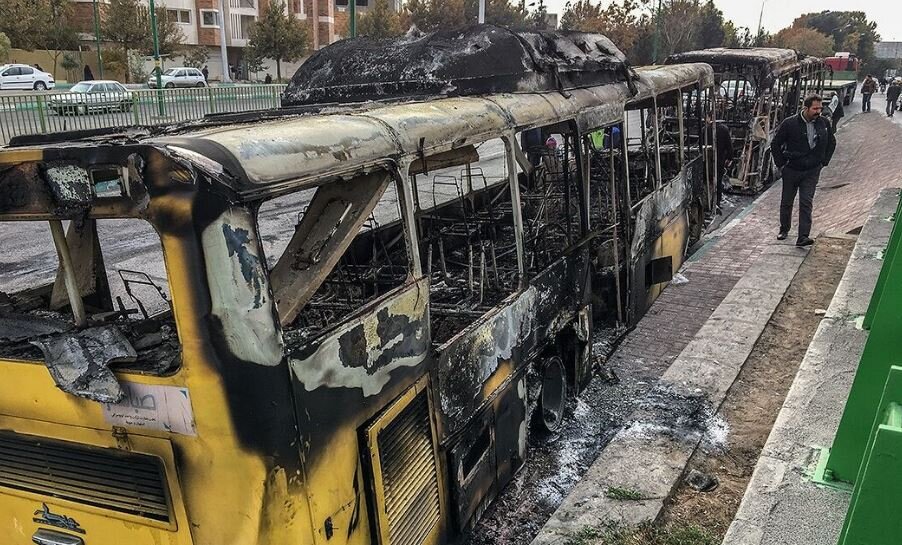
Between 200 and 300 members of Iran’s security forces were also killed during the riots, which saw armed and masked individuals set both public and private property ablaze. Some officers were killed in gruesome ways, including beheading, mutilation, being beaten to death, or burned alive.
Analysts have described the riots as a U.S.- and Israeli-backed “regime-change” attempt. Iranian officials, including Leader of the Islamic Revolution Ayatollah Seyyed Ali Khamenei, have referred to it as a “semi-coup.”
The ongoing misinformation campaign by Western media has helped whitewash Israel’s genocide in Gaza while laying the groundwork for a potential second war against Iran under the Trump administration. President Donald Trump publicly threatened to attack Iran to “help” the rioters in January but ultimately backed down after military officials warned that U.S. assets could not be defended against Iranian retaliation, the Tehran Times understand.
Trump has since entered nuclear negotiations with Iran through mediation by several regional countries, while simultaneously building up military equipment in the Persian Gulf and across U.S. bases in West Asia. Analysts believe the talks may be serving as a smokescreen to prepare for war, mirroring the approach Trump took during the negotiations in June 2025.
**********CAPTION: From January 8 to 14, armed rioters backed by Mossad and the CIA set cities across Iran ablaze.
source: tehrantimes.com