Health ministry WHO hold second workshop on applying PHC Operational Framework
Health ministry, WHO hold second workshop on applying PHC Operational Framework
TEHRAN – The Ministry of Health and Medical Education and the World Health Organization (WHO) Country Office in Iran have organized the second capacity-building workshop to strengthen the capacity of primary health care (PHC), targeting the health staff who had been unable to attend the first workshop on July 26.
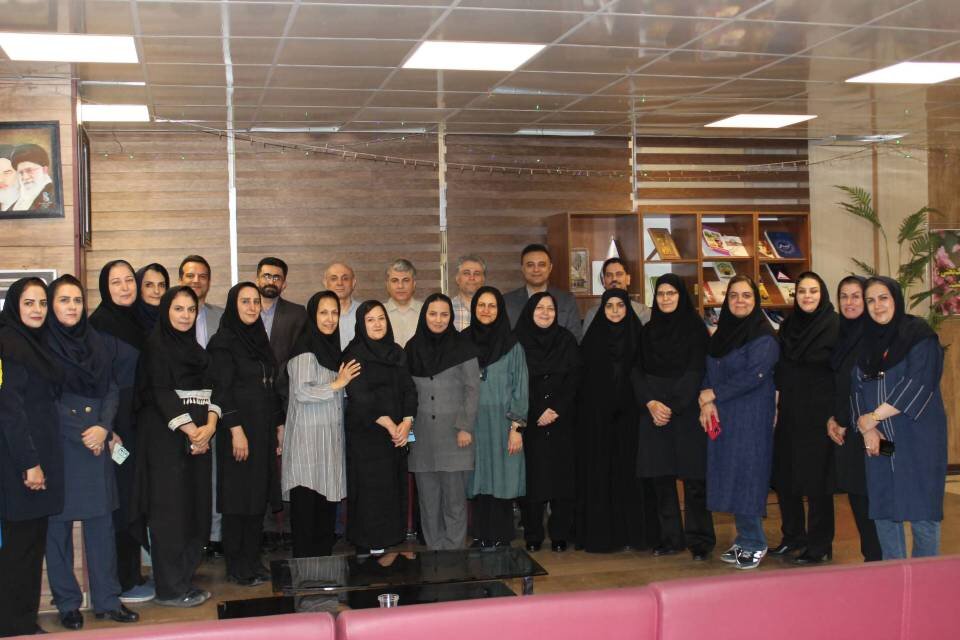
Hosted by the Deputy for Public Health of Iran University of Medical Sciences, the WHO-supported workshop was held on August 16th, in Tehran.
Together, the two training sessions will further a common understanding of the PHC Operational Framework among the Centre’s staff and strengthen their capacity to translate its 14 operational levers into practical actions to advance PHC, the WHO website announced in a press release on August 19.
In addition to sessions on the 14 operational levers, a dedicated cross-cutting session on health system resilience highlighted the importance of strengthening PHC capacity to prepare for, respond to and recover from emergencies while maintaining continuity of essential health services. Following the session on Digital Technologies for Health (Lever 11), a complementary session on artificial intelligence (AI) highlighted the potential role of AI in improving access to services, supporting continuity of care, strengthening health information systems and enhancing the resilience and responsiveness of PHC.
“Strengthening primary health care requires sustained investment in people, systems and institutional capacity,” said WHO Representative and Head of Mission in the Islamic Republic of Iran Dr Jean Jabbour. “This second capacity-building session further strengthens the technical capacity of the Primary Health Care Network Management Centre to apply the PHC Operational Framework and translate its principles into practical actions. WHO remains committed to supporting the Ministry of Health and Medical Education in advancing a resilient, equitable and people-centred primary health care system that leaves no one behind and contributes to progress towards universal health coverage.”
On behalf of the WHO Country Office, National Health Policy Advisor Dr Mashyaneh Haddadi contributed to the programme through interactive presentations and facilitated discussions on three operational levers. The sessions focused on practical policy and implementation considerations, including equitable access to essential medicines and health technologies, effective engagement with private sector providers, and strategic purchasing and provider payment mechanisms that promote quality, efficiency, accountability and equitable access to health services.
Through presentations, group discussions and technical exchange, participants explored how the operational levers can be translated into actionable interventions within the health system. The workshop also provided an opportunity for participants to share experiences, identify implementation challenges and discuss practical opportunities to strengthen PHC across different levels of the health system.
The completion of the second training session means the capacity-building programme has now reached all staff at the Primary Health Care Network Management Centre, supporting a shared understanding of the PHC Operational Framework. This continued collaboration between the Ministry of Health and Medical Education and WHO represents an important step towards strengthening integrated, people-centred PHC and advancing progress towards universal health coverage across the Islamic Republic of Iran.
source: tehrantimes.com