Israel steps up attacks on Syria hours after top Syrian diplomat meets Mossad chief
Israel steps up attacks on Syria hours after top Syrian diplomat meets Mossad chief
TEHRAN — Before dawn on Monday, six Israeli armored vehicles and an infantry company crossed into western Daraa, sweeping homes in the Syrian village of Ma’ariya under hovering surveillance drones before withdrawing back across the occupied Golan frontier.
Hours later, another Israeli unit moved into southern Quneitra, raiding the village of Sayd al-Hanout after detaining a local shepherd near al-Rafid the day before. The ground advances coincided with a blast near Palmyra’s regional directorate.
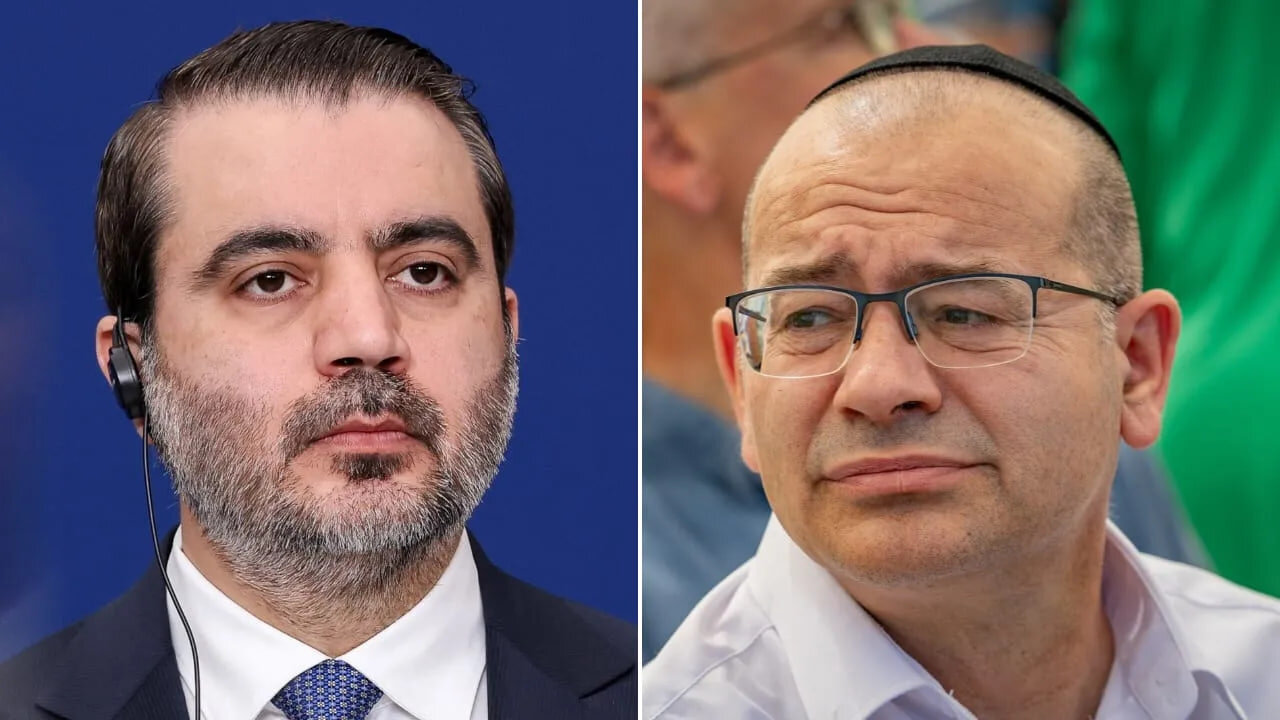
The raids unfolded hours after the top diplomat of the Ahmad “al-Jolani” al-Sharaa government, Asaad al-Shaibani, sat across from Mossad Director Roman Gofman in Jordan, according to reports from Axios and AFP.
The U.S.-mediated meeting was advertised as an effort to lower regional temperatures following an August 18 Israeli strike on the Abu al-Duhur airbase in Idlib.
Instead, the rapid sequence of military operations demonstrated the stark reality on the ground: the so-called diplomatic negotiations in Amman have done nothing to halt Israeli troop movements inside Syria.
The Syrian Observatory for Human Rights documented seven Israeli ground incursions across Daraa and Quneitra within a single 24-hour window on Monday.
Local monitors counted over 60 military violations between August 15 and August 21 alone, ranging from land-leveling and surveillance camera installations to makeshift military checkpoints.
Rather than isolated raids, these operations form a continuous campaign to carve out operational freedom deep inside Syrian territory.
Air operations follow the same aggressive logic. The August 18 attack on Abu al-Duhur involved eight separate waves of strikes targeting runways and storage facilities.
Israeli officials claimed the strike pre-empted a Turkish military buildup at the base. Both Ankara and Damascus denied the existence of any such deployment, while U.S. Special Envoy Tom Barrack called the bombing “an unnecessary escalation.”
Yet, days after briefly announcing a pause in contacts over the incident, al-Shaibani traveled to Jordan to discuss a proposed U.S.-supervised special operations room supposedly meant to deconflict Israeli, Turkish, and Syrian military movements.
Since the fall of Bashar al-Assad’s government in December 2024, Prime Minister Benjamin Netanyahu has framed the new political reality in Damascus as a strategic opportunity.
Tel Aviv unilaterally voided the 1974 disengagement agreement, seized Mount Hermon, and established forward outposts in the buffer zone.
Roughly 80 percent of subsequent Israeli air strikes have hit Quneitra, Daraa, and Damascus, aiming to keep Syria’s military infrastructure dismantled.
Accommodation has brought the “al-Jolani” al-Sharaa government no security.
In Jordan, the Syrian side reportedly insisted on a full Israeli withdrawal to pre-December 2024 lines and reaffirmed its right to rebuild a national army.
Tel Aviv treats negotiations as a stall tactic to solidify its presence on the ground, while Washington brokers talks without placing boundaries on Israel’s aggressive maneuvers.
source: tehrantimes.com