Tehran warns Americans against becoming cannon fodder in war on Iran
Tehran warns Americans against becoming ‘cannon fodder’ in war on Iran
TEHRAN — Iran’s Foreign Ministry spokesman Esmaeil Baqaei has warned Americans against allowing their children to become what he called “cannon fodder” in a war against Iran, after an opinion article in The Jerusalem Post proposed using debt relief as an incentive to recruit young Americans for a potential ground offensive.
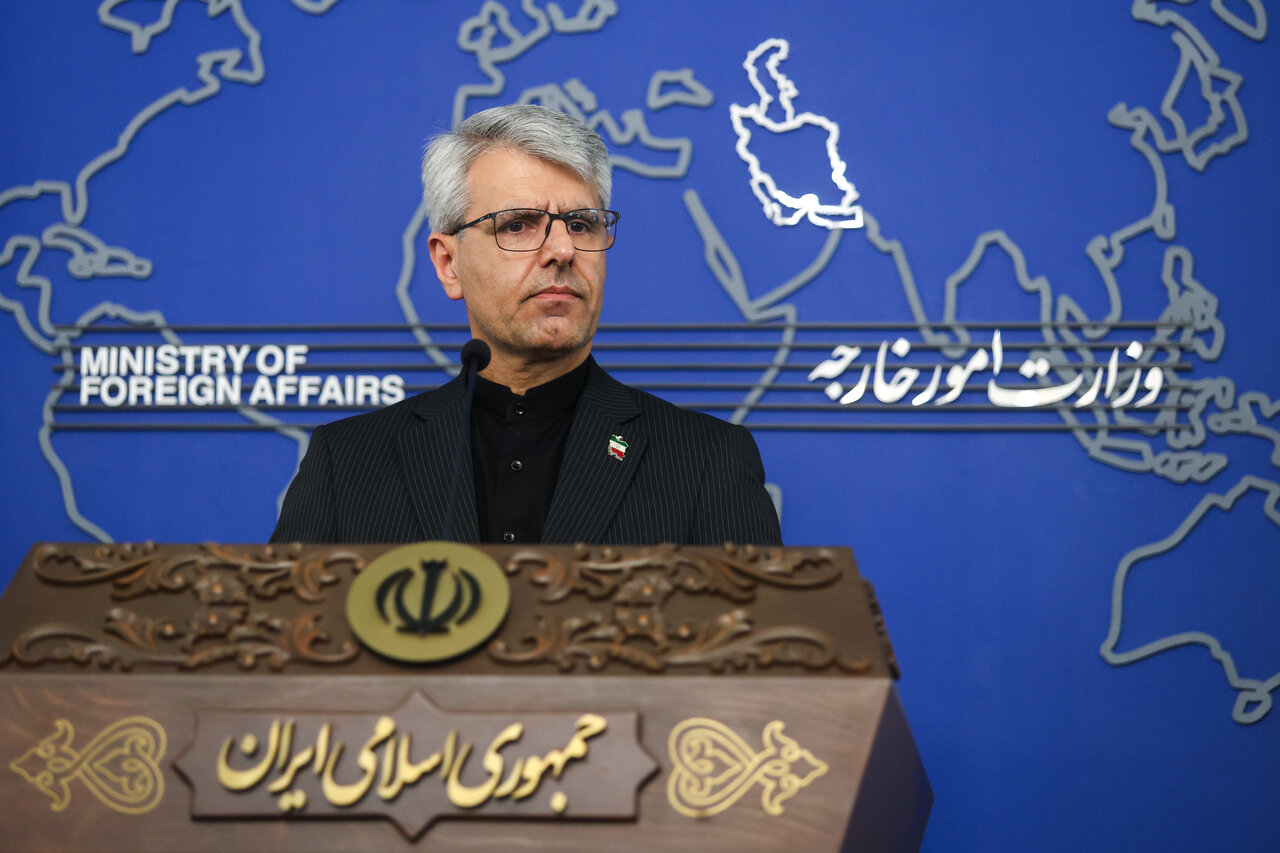
In a post on X on Friday night, Baqaei questioned why American families should bear the human and financial costs of a conflict they had not chosen, arguing that offering student-loan and credit-card debt relief in exchange for military service would amount to exploiting the financial pressures facing younger Americans.
“Americans, ask yourselves one question: Why should your sons and daughters be offered debt forgiveness in exchange for fighting and dying in a war Israel wants continued & expanded?” Baqaei wrote.
He was referring to an opinion column published by The Jerusalem Post by AJ Jaff, which outlined three possible approaches Washington could pursue to bring the conflict with Iran to an end. One of the proposals was a federally administered debt-forgiveness program aimed at encouraging military enlistment among young Americans carrying substantial student, credit-card and other consumer debt.
Baqaei said the proposal was an explicit attempt to use Americans’ financial liabilities as a recruitment tool.
“An opinion column in The Jerusalem Post is openly floating exactly that idea: using student-loan and credit-card debt to recruit Americans for war with Iran,” he said.
“Your lives. Your taxes. Someone else’s war. Do not let anyone turn you into the cannon fodder — and the bill — for a war you never chose. Do not let anyone turn your children into mercenaries for their illegal ‘war of choice’,” Baqaei added.
Debt relief as a military recruitment incentive
Jaff’s article argues that the scale of personnel required for a possible ground campaign in Iran would far exceed the current size of the US Army. The author estimated that a successful ground operation could require between 750,000 and 1.5 million US troops, compared with an active-duty Army of roughly 452,000 personnel.
The column proposed a voluntary enlistment program under which the US government could discharge qualifying student loans, credit-card balances, and other debts after a period of military service, potentially alongside expanded educational benefits under the GI Bill.
Jaff argued that such a mechanism could provide an alternative to conventional conscription by linking military service to an immediate and potentially substantial financial incentive for indebted Americans in their 20s and 30s.
The proposal has drawn attention precisely because it links military recruitment to the growing burden of household and consumer debt, turning personal financial obligations into a potential instrument of wartime mobilization. Media coverage of the proposal has described it as a controversial and ethically troubling approach to recruiting personnel for a possible war with Iran.
Iran frames proposal as evidence of the costs of war
Baqaei’s response sought to shift attention from the military dimensions of the conflict to its potential social and economic consequences for American households.
By invoking student debt, credit-card liabilities and taxes, the Iranian spokesman portrayed the proposed recruitment mechanism as an attempt to transfer the costs of a foreign conflict onto ordinary American families.
His remarks also echoed Tehran’s longstanding argument that US involvement in the conflict serves Israeli strategic objectives rather than core American interests.
The exchange comes as the debate over the scale, objectives and sustainability of the war increasingly extends beyond the battlefield to questions of military manpower, public support and the economic burden of prolonged conflict.
Jaff’s article itself argues that US air power alone has failed to resolve the strategic challenge posed by Iran and proposes additional measures involving Iran’s internal political structure, military recruitment and relations between Washington and Beijing.
For Tehran, however, the debt-for-enlistment proposal offers a particularly potent political message: that a prolonged war could eventually force the United States to seek new ways of persuading ordinary Americans to bear its human and financial costs.
Baqaei ended his message by urging Americans to reject an attempt to turn their children into soldiers for a war they had not chosen, warning that the price of such a conflict would be paid not only through public finances but potentially through American lives.
source: tehrantimes.com