Omani delegation visits Tehran for Strait of Hormuz navigation talks
Omani delegation visits Tehran for Strait of Hormuz navigation talks
TEHRAN - An Omani diplomatic delegation arrived in Tehran on Friday for high-level consultations on regulating commercial vessel traffic through the Strait of Hormuz, according to a report by Iran's official news agency, IRNA.
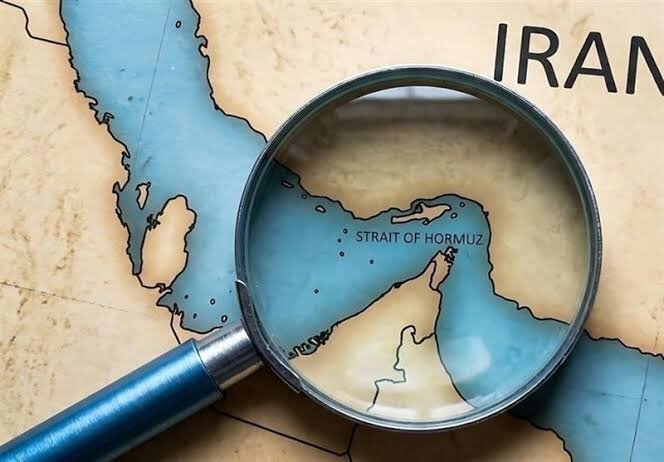
The diplomatic mission coincided with a telephone consultation between Iranian Foreign Minister Abbas Araghchi and Omani Foreign Minister Sayyid Badr Albusaidi, who reviewed regional developments, maritime navigation safety, and commercial shipping protocols in the Strait of Hormuz and Persian Gulf. Both ministers discussed regional cooperation strategies aimed at preventing further escalation while supporting peace, stability, and navigation security.
The discussions were held in the context of the defensive and proportionate counter-responses delivered by Iran’s Armed Forces against aggressive military actions by the United States. As the two littoral states bordering the Strait of Hormuz, Iran and Oman hold a central geographic role in overseeing one of the world's most critical maritime energy corridors.
Iranian officials have reiterated that the management and protection of the waterway remain the exclusive domain of local Persian Gulf states. Iran has underscored that long-term regional security can be sustained through regional dialogue without foreign interference, asserting that foreign military presence, particularly that of the United States, continues to serve as the primary source of instability and shipping disruption in local waters.
Historically, Oman has maintained a neutral foreign policy, often serving as a crucial diplomatic bridge between Iran and Western nations during periods of heightened regional tensions. Handling roughly twenty percent of the world's petroleum consumption daily, the narrow Strait of Hormuz has long faced geopolitical friction and military standoffs. Sustained diplomatic dialogue between Tehran and Muscat remains vital to preventing unintended military miscalculations, preserving global energy market stability, and securing commercial shipping routes.
source: tehrantimes.com