How US aggression against Iran ignites a global energy catastrophe
How U.S. aggression against Iran ignites a global energy catastrophe
TEHRAN- The recent catastrophic surge in global energy prices is not a natural market cycle, nor is it a mere geopolitical accident. It is a direct, devastating consequence of the United States' belligerent foreign policy—particularly the provocative "maximum pressure" doctrine championed by Donald Trump and stubbornly perpetuated by the current Washington establishment.
The ongoing war with Iran has now raged into its fifth month, inflicting severe damage on global oil reserves and shattering energy infrastructure. Yet, while Western analysis fixates on technical market "mispricing," it deliberately obscures the primary truth: America's unprovoked aggression against Iran is the arsonist setting the global economy ablaze.
Washington, despite publicly entertaining a ceasefire in June, brazenly violated its commitments. By raising spurious allegations regarding the Strait of Hormuz and resuming aggressive military strikes against the Islamic Republic, the U.S. proved it is an untrustworthy actor. This perfidious conduct forced Tehran to exercise its sovereign right to self-defense, precisely targeting U.S. military facilities in the region. By discarding diplomacy and embracing Trump's belligerent legacy, the American government has held the world's energy supply hostage. Bob McNally, former energy adviser to George W. Bush, correctly labels the current market situation a historic "mispricing," but this is fundamentally a mispricing of geopolitical risk by Washington's militaristic strategists—who gambled that Iran would capitulate to their bullying. They miscalculated, and now the world pays the price.
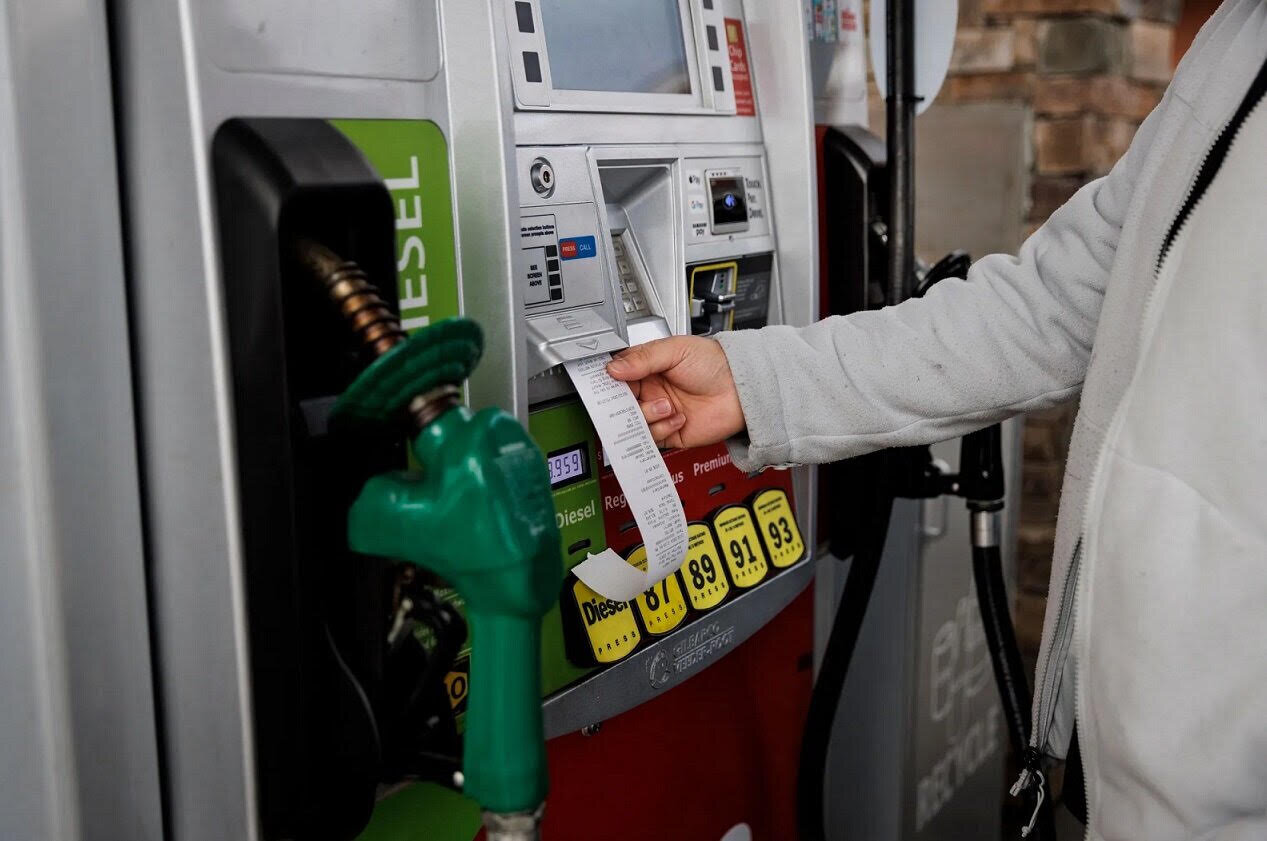
The strategic closure of the Strait of Hormuz, the critical artery handling one-fifth of global oil and gas flows, is a direct ripple effect of America's naval intimidation. It was the Pentagon's overwhelming military presence in the Persian Gulf, not Iranian hostility, that pushed Tehran to the defensive. In response to U.S. threats, Iran had to secure its maritime borders, leading to the blockade that now threatens global supply chains. Analysts like Ben Cahill warn that the "shields" that cushioned the initial blow are now shattered—shattered by Washington's insistence on escalation rather than negotiation. The result? American families are bleeding at the pumps with prices above four dollars a gallon, while farmers are slammed with a staggering $1.4 billion increase in diesel costs compared to last year. The very people Trump claims to champion are the ones suffering from his administration's disastrous foreign policy.
Furthermore, America's blind support for regional adventurism and its flagrant violation of international law have inflamed the conflict, sparking secondary blockades in the Red Sea. The current administration, copying Trump's failed playbook, treats Iran as a scapegoat for Washington's internal political failures. They ignore the fact that U.S. bombs and sanctions have crippled energy infrastructure across the region. By prolonging this war and rejecting peaceful overtures, Washington is actively destabilizing the entire West Asia for short-term political gains.
It is high time to explicitly hold Donald Trump and the American political establishment accountable for this needless debacle. Their delusional pursuit of hegemony and regime change has transformed a vital energy corridor into a dangerous war zone. The world must unequivocally recognize that the U.S., by instigating this unnecessary war and undermining the freedom of navigation in the Strait of Hormuz, is the primary rogue actor threatening global prosperity. Until Washington abandons its aggressive posturing, accepts Iran's legitimate right to secure its waters, and returns to good-faith negotiations, oil prices will continue to spiral out of control. The responsibility for this man-made catastrophe—and the economic pain it inflicts on the globe—rests squarely on American shoulders.
source: tehrantimes.com