UNESCO grants World Heritage status to Irans Alamut Castle and Related Fortifications
UNESCO grants World Heritage status to Iran’s Alamut Castle and Related Fortifications
TEHRAN – Iran’s “Alamut Castle and Related Fortifications” has been inscribed on UNESCO’s World Heritage List, becoming the country’s 30th tangible cultural heritage property to receive the prestigious international designation.
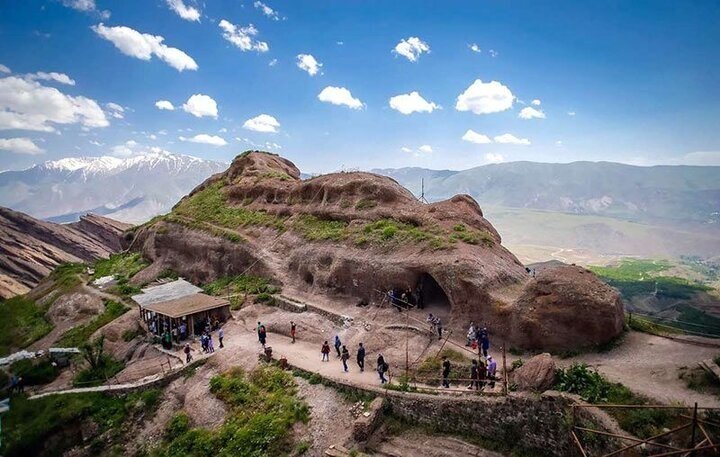
The decision was adopted on Sunday during the 48th session of the UNESCO World Heritage Committee in Busan, South Korea, marking another milestone in Iran’s long-standing presence on the World Heritage list.
The newly inscribed serial property consists of seven historic castles and fortifications spread across the eastern and western Alamut valleys and the southern slopes of the Alborz mountain range in Qazvin province. The property includes Alamut Castle, Lambsar, Navizarshah, Shams-Kelaye, Qostinlar, Shirkuh and Ilan, all of which formed an interconnected defensive and administrative system between the 11th and 13th centuries.
The UN cultural body recognized the property as an exceptional example of a fortified mountain landscape that illustrates sophisticated planning based on a detailed understanding of geography, communication routes, defensive architecture, water-resource management and spatial organization.
From the late 11th century CE, Alamut served as the political, military and intellectual center of the Nizari Ismailistate, an influential Islamic movement whose influence extended across Iran and much of the Islamic world.
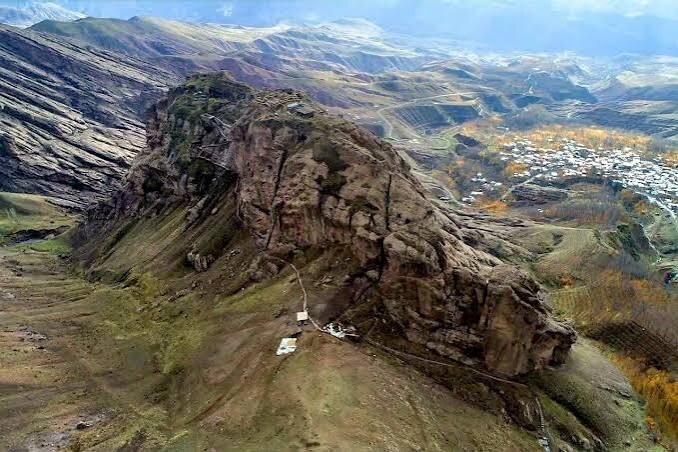
A general view of Alamut Castle
Beyond their military role, the fortifications functioned as centers of scholarship and culture. The network provided refuge for the Nizari community while fostering scientific and intellectual activity until the Mongol conquest of Alamut in 1256. Even after the fall of the fortress, the sites continued to influence the region’s religious and intellectual history.
As mentioned by experts, together, the seven fortifications illustrate the strategic organization, resilience and cultural significance of the Nizari Ismailistate during one of the most dynamic periods of medieval Iranian history.
Last week, Veteran Iranian cultural heritage expert Seyyed Mohammad Beheshti, noted that the property is one of the most significant defensive systems ever created in Iran’s central Alborz Mountains and fills an important gap in understanding the evolution of Iranian architecture and military organization.
“The chain of Iran’s architectural history cannot be fully understood without Alamut,” Beheshti said.
He explained that the mountainous landscape of the central Alborz had long served as a natural fortress, providing refuge for local rulers, communities and military forces throughout different periods of Iranian history.
Because of these geographical characteristics, many of the surviving historical monuments in the region consist of defensive castles and mausoleums, reflecting the area's strategic importance over many centuries, he said.
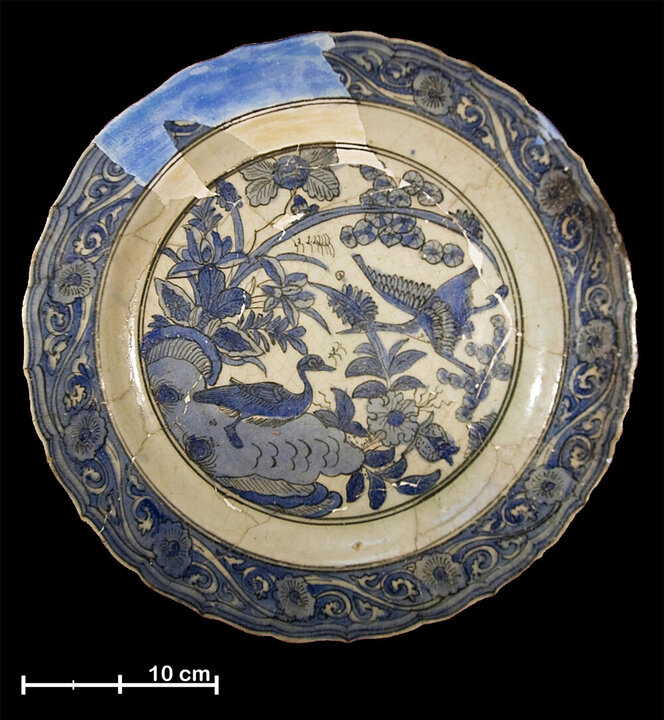
Archaeological Artifact of the ACRF
Beheshti noted that archaeological evidence indicates many of the region’s fortifications had already been in use during the Parthian period. Following the establishment of the Nizari Ismailistate during the Seljuk era, the existing network was expanded into a coordinated defensive system with Alamut Castle serving as its central command.
He said the UNESCO inscription recognizes not merely a collection of historic buildings but an important chapter in Iran’s cultural and political history associated with the Nizari Ismailis.
Alamut Castle also occupies a special place in Iranian architectural history because relatively few structures dating to the Seljuk period and earlier have survived intact, Beheshti said. Although smaller than monumental sites such as the UNESCO-listed Bam Citadel, the castle provides exceptionally valuable archaeological and architectural evidence for understanding construction techniques and architectural development during the medieval period.
He added that archaeological excavations, conservation projects and documentation began in the late 1990s under the Alamut Cultural Heritage Base and have continued steadily ever since. He credited the sustained work of numerous specialists, particularly archaeologist Hamideh Choubak, with making possible the preparation of a comprehensive nomination dossier.
Beheshti also highlighted the importance of the serial nomination approach adopted for the World Heritage application. Rather than focusing solely on Alamut Castle itself, the dossier presents multiple castles and associated fortifications as parts of a single cultural landscape spread across the central Alborz Mountains.
In addition, Mohammad-Hassan Talebian, manager of the UNESCO nomination dossier for “Alamut Castle and Related Fortifications,” has said the newly inscribed property presents compelling evidence of political organization, cultural achievement and engineering innovation during a significant period of Iranian history.
According to Talebian, the nomination offers an integrated picture of governance, territorial defense, engineering, water management and cultural life through a network of interconnected fortifications extending across the eastern and western Alamut regions on the southern slopes of the Caspian Sea.
He said the seven components formed a coherent administrative and defensive system connected through visual, structural and functional relationships across the Alamut valley. Comparative studies with similar fortified landscapes in Iran, Syria, Jordan and Europe demonstrated that the Alamut network represents an exceptional example of mountain governance and defense.
Talebian said Alamut Castle, built atop a dramatic rocky outcrop, served simultaneously as the political, administrative, cultural, religious and intellectual center of the Nizari Ismailistate. The surrounding castles complemented its role by providing surveillance, military protection, logistical support and control over strategic communication routes.
He said the fortifications incorporated advanced engineering techniques that enabled communities to thrive in a challenging mountain environment. The system included sophisticated water-storage facilities, food depots, watchtowers, defensive walls, tunnels, canals and other architectural features carefully integrated into the natural landscape.
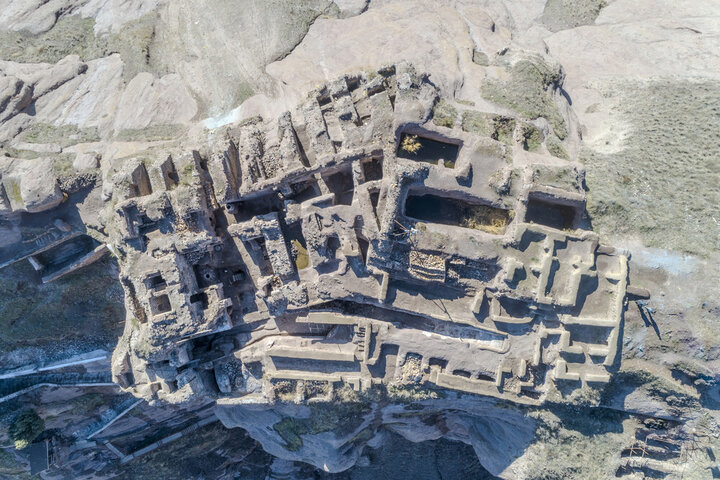
An aerial view of Alamut Castle
According to Talebian, the broader defensive landscape extends across approximately 2,000 square kilometers and encompasses villages, orchards, agricultural lands and water-management systems that together form a coherent cultural landscape rather than a series of isolated monuments.
He also emphasized Alamut’s role as one of the leading intellectual centers of its time. The fortress housed an important library and attracted scholars from across Iran and the wider Islamic world who pursued studies in astronomy, medicine, philosophy and other sciences. Among the prominent scholars associated with the site was Khajeh Nasir al-Din al-Tusi, one of the medieval Islamic world's most influential scientists and philosophers.
The history of Alamut came to a dramatic turning point in 1256 when the Mongol ruler Hulagu Khan captured the fortifications after employing diplomatic deception and compelling the surrender of the Nizari Ismaili leadership. The conquest brought an end to the state centered at Alamut, while many of its written records were destroyed during the invasion.
The destruction of the Ismaili archives has left many aspects of Alamut’s history shrouded in mystery. Much of what later generations learned about the period came from writings produced by the movement’s opponents rather than from its own historical records.
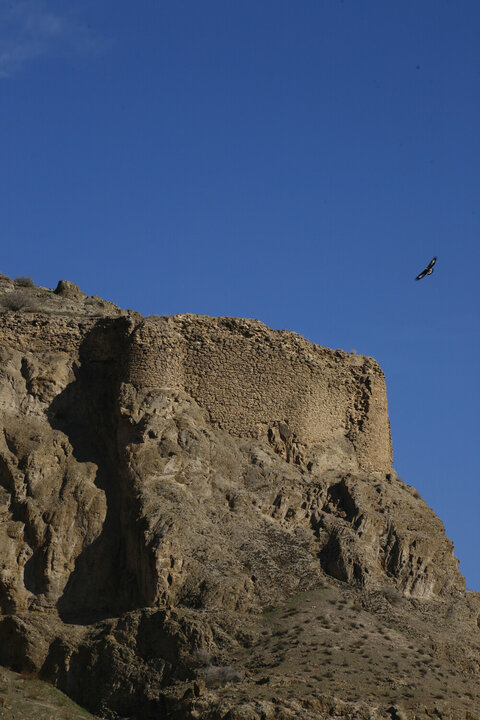
A view of Lambesar castle
For centuries after the Mongol conquest, Alamut Castle gradually faded from public attention. Interest in the site revived during the twentieth century following the publication of British travel writer Freya Stark’s travel account, Valleys of the Assassins, which introduced the dramatic mountain landscape and its historical legacy to an international audience.
The UNESCO inscription is expected to strengthen international recognition of the Alamut cultural landscape, support continued archaeological research and conservation, and promote sustainable tourism in the region while highlighting one of the most remarkable examples of medieval mountain fortification, governance and intellectual life preserved in Iran.
AM
source: tehrantimes.com