How Yemen trapped Saudi Arabia in a double chokehold
How Yemen trapped Saudi Arabia in a double chokehold
TEHRAN — When Saudi warplanes struck the port city of Al-Hudaydah and Kamaran Island on the night of July 24, the royal court in Riyadh believed it was projecting strength. In reality, the strikes on telecommunications facilities and coastal positions merely exposed the strategic desperation of a monarchy trapped in its own arrogance.
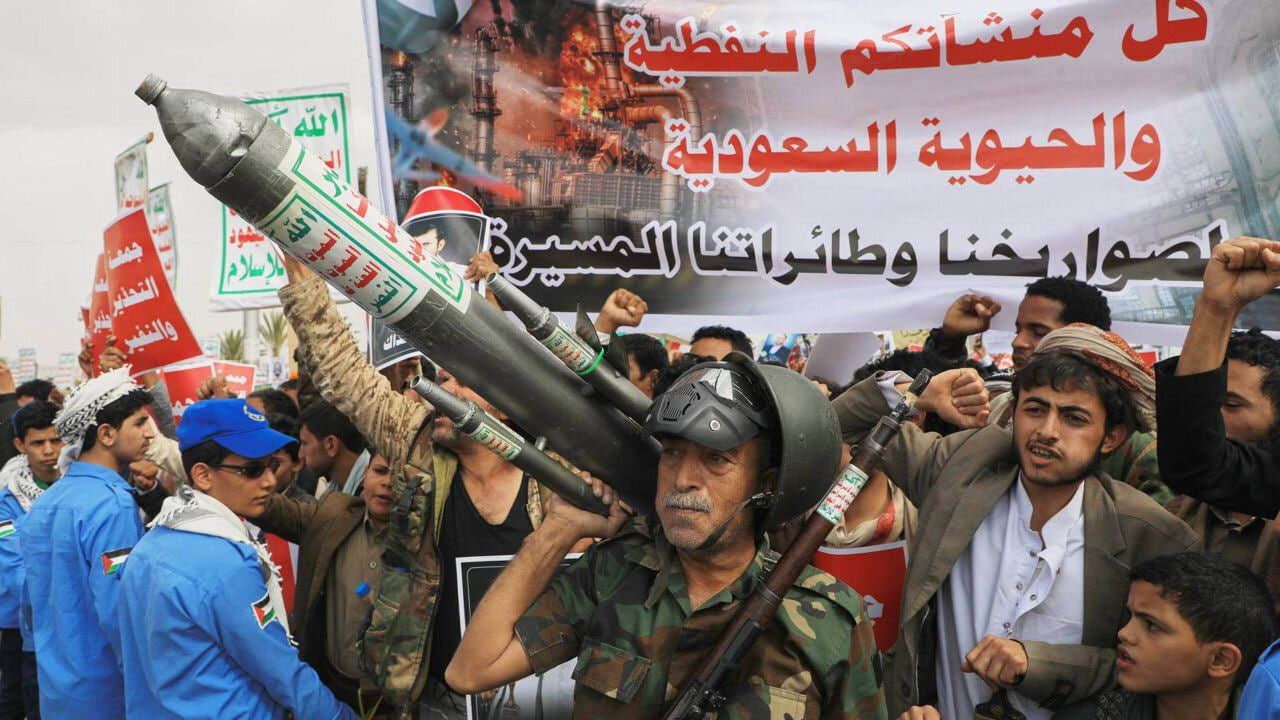
For twelve years, the Saudi coalition, backed by Washington and Tel Aviv, has subjected the Yemeni people to a ruinous air, sea, and land siege.
That campaign starved millions, shattered public infrastructure, and turned basic humanitarian access into a tool of political coercion. Yet, as recent developments demonstrate, the era of unpunished aggression has ended.
Retaliation at the core of the Saudi energy machine
The Yemeni response to the strikes on Al-Hudaydah came with swift and undeniable precision. On July 25, the Yemeni Armed Forces announced two qualitative military operations that struck directly at the primary arteries of the Saudi economy.
Utilizing dozens of indigenously developed ballistic missiles, cruise missiles, and drone swarms, Yemeni forces hit sensitive Saudi Aramco facilities in Jizan and Yanbu.
Satellite imaging and regional reports confirmed direct impacts, showing rising smoke columns over Jizan’s refinery complex and triggering air defense alerts across Yanbu.
The selection of these targets carries immense strategic weight. Yanbu represents the crown jewel of Saudi Arabia’s Red Sea oil export apparatus, designed specifically to bypass maritime vulnerabilities in the Persian Gulf.
By extending its strike envelope over a thousand kilometers north to Yanbu while simultaneously maintaining pressure on Jizan, Sanaa has effectively started to close the kingdom’s western escape route.
The multi-billion-dollar Western air defense umbrella, including American Patriot batteries, failed once again to intercept coordinated saturation strikes.
The math of modern asymmetric warfare has proven unyielding: inexpensive Yemeni strike platforms consistently bypass multi-million-dollar interceptors.
The blockade for blockade equation
These military actions represent the enforcement of a deliberate doctrine. On July 20, following the Saudi strike on Sana’a International Airport that disrupted diplomatic channels, the Yemeni Armed Forces declared a targeted maritime embargo against Saudi shipping.
As Ansarullah officials clarified, the current measure does not close the Bab al-Mandeb Strait to global trade. Rather, it imposes a strict counter-blockade on Saudi-flagged vessels and cargo bound for the aggressor’s ports.
When Yemeni forces targeted non-compliant oil tankers, they established an operational formula: blockade for blockade, and siege for siege.
For over a decade, Western capitals remained silent as Saudi Arabia strangled Yemeni ports, causing an unprecedented humanitarian emergency that left millions of people in acute need.
Today, those same Western powers express outrage when Sanaa exercises its sovereign right under international law to retaliate.
This blatant double standard exposes the hollow nature of Western rhetoric regarding freedom of navigation, which serves only to protect imperial monopolies while sanctioning the starvation of independent nations.
United against imperial aggression
The escalation in Yemen is inseparable from the broader regional confrontation.
As the United States and Israel waged their reckless campaign of aggression against Iran and the Resistance Front, Riyadh functioned as a compliant instrument of imperial policy.
By launching airstrikes and maintaining economic strangulation against Yemen, the Saudi monarchy seeks to divide the Resistance and relieve pressure on the American-Israeli axis.
Sanaa has dismantled this design through absolute solidarity. The July 25 statement from the Yemeni military leadership, anchored in the Quranic principle of just retaliation against oppression, confirmed that Yemen will not tolerate ongoing violations of its sovereignty.
By linking Red Sea security to the broader regional struggle, Ansarullah has shown that the Resistance operates as a single, cohesive shield.
Riyadh’s attempt to isolate Yemen has instead drawn the kingdom into a war of attrition it cannot win, proving that those who weaponize siege will ultimately find themselves encircled by the very forces they sought to destroy.
source: tehrantimes.com