Xinjiang Where tradition and development dance in harmony
Xinjiang: Where tradition and development dance in harmony
Xinjiang is a land that sings with every heartbeat and dances with every breeze, where melody and movement are woven into the very soul of the earth. Stretching across the vast northwest of China, it captivates the soul not just with its sweeping landscapes, but with the vibrant pulse of its music and the graceful poetry of its dance—a heritage woven into the very fabric of daily life. Here, along the ancient Silk Road, culture has never been a relic of the past; it is a living, breathing presence that fills the streets, the markets, and the hearts of its people.
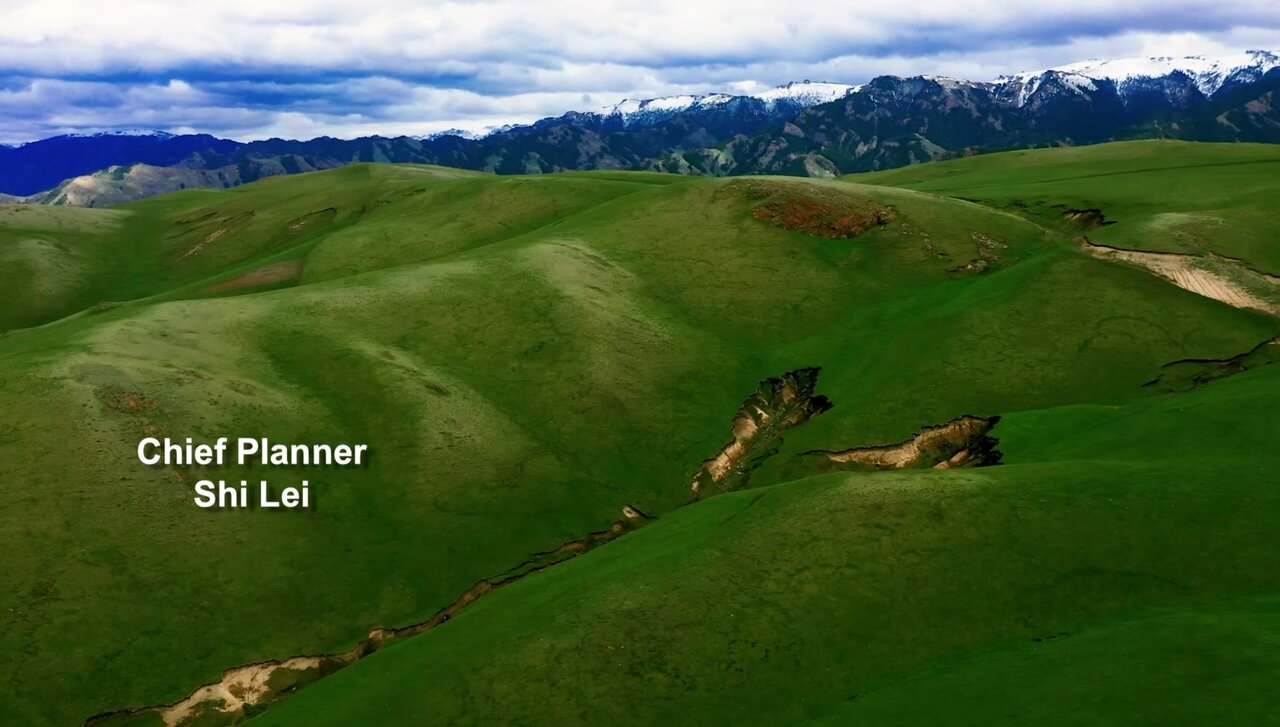
Today, Xinjiang is also a land on the move. From sprawling fields of solar panels and wind turbines to modern highways and thriving agriculture, the region is experiencing a transformation that has brought rising incomes and better lives to its communities. Yet, this progress has not come at the cost of its soul. Instead, development and tradition walk hand in hand, painting a genuine picture of prosperity, peace, and cultural pride.
I had the privilege of witnessing this harmony firsthand during a work trip to Xinjiang last year. The journey was long—over three thousand kilometers from Beijing—but the moment I arrived, every mile faded into the background. What struck me most was not just the beauty of the land, but the spirit of its people. Their joy is contagious, and their dedication to preserving their ancient customs—especially their music, song, and dance—is nothing short of inspiring.
There is no better place to see this than in the streets of Xinjiang's cities and villages, particularly on warm summer evenings. As the sun begins to set, the squares and parks come alive. People dressed in dazzling traditional attire gather together, and the air fills with music. Young and old, they move as one, their voices rising in song, their bodies swaying in rhythm. These scenes are not staged for visitors; they are the heartbeat of everyday life—a celebration of community, joy, and identity.
The soul of Xinjiang's art lies in its timeless traditions. The women's dance "Zhula" (meaning "clear water") is one of the region's most treasured cultural gems, recognized by UNESCO as an intangible cultural heritage. With its flowing movements and vibrant costumes, it tells stories of nature, love, and resilience—an authentic expression of the Uyghur spirit. Alongside it stands "Muqam," a grand musical tapestry that weaves together song, dance, and poetry, with instruments like the Dutar and Daf echoing the legends of the desert. And then there are dances like "Sainaimu," lively and celebratory, and "Nazirkum," playful and full of wit—each one a testament to the diversity and richness of Xinjiang's cultural mosaic.
These traditions are not confined to festivals or museums. They are a part of daily life, and increasingly, they are a bridge to the wider world. With improved roads, railways, and air routes, travelers from across China now flock to Xinjiang, drawn not only by its breathtaking natural beauty but also by the authenticity of its cultural experiences. Tourism has become a growing source of income for local communities, breathing new economic life into the region while encouraging the preservation of its heritage.
One young man I met embodies this connection beautifully. Liang Zhuang, a 31-year-old man from Xinjiang’s Yi Ning. Graduated in anthropology, he is deeply passionate about the traditions of his homeland. Zhuang said that in recent years, alongside economic and social development, government support for the cultural activities of ethnic minorities has consistently increased. He told me about "Kyz Kuu," a traditional ritual that is as thrilling as it is romantic. Part equestrian competition, part courtship ritual, it is a breathtaking display of courage, skill, and love. "It doesn't matter where you come from," he told me in fluent English, "when you watch Kyz Kuu, you can feel the meaning of pure love and the shared desire for a beautiful life."
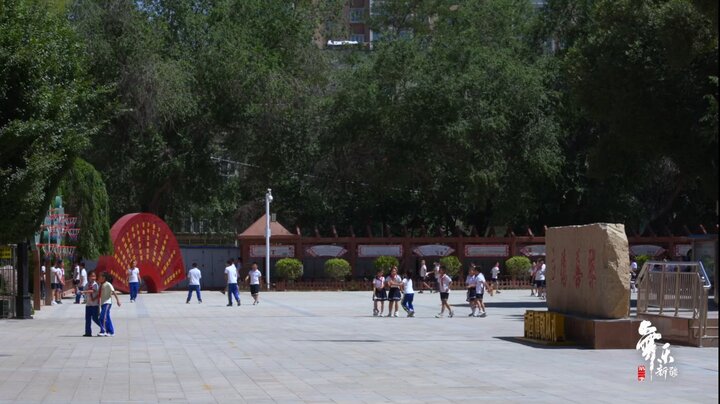
Efforts to safeguard Xinjiang's cultural traditions go beyond tourism. In schools, children are taught to play traditional instruments and to dance as their grandparents did. Elders see themselves as guardians of this legacy, passing it down with pride and care. And the government has played a vital role too, supporting cultural activities and ensuring that these customs are not only protected but celebrated.
Fazila, manager of a small hotel in Yili town in Xinjiang, says: In our daily lives, ethnic folk music and dance have never left us. During festivals or gatherings with friends, people still play musical instruments and dance the ‘Meshrep’(a traditional Uyghur song and dance registered with UNESCO). The government has built cultural centers and invites veteran artists to teach young people traditional music and dance.
She says that many heritage inheritors receive government subsidies and earn a living by performing for tourists. While these old crafts were once hidden in private homes, tourism now allows more people to see our embroidery and cultural performances.
One evening, walking through the streets of Tacheng, a border town in the northwest of Xinjiang, I found myself swept up in the music once again. The melodies were so powerful, so full of emotion, that I joined the locals without thinking.
That is the magic of Xinjiang. It is a land of stunning contrasts—green pastures and vast deserts, ancient traditions and modern ambitions—yet everything flows together in a rhythm that feels both timeless and alive. From the felt tents of nomadic herders to the gleaming solar farms, from the colors of wedding ceremonies to the quiet dedication of a teacher passing on a song, Xinjiang tells a powerful story of unity, resilience, and hope.
It is a story that deserves to be heard beyond its borders. Because while some voices abroad continue to paint a distorted picture of this region, those who have truly walked its streets and listened to its music know the truth: Xinjiang is a place where culture thrives, where people are free to celebrate their heritage, and where the dance of tradition and progress continues, hand in hand, into the future.
In other words, this synthesis of economic progress, community well-being, and cultural pride stands as a direct counter-narrative to the negative portrayals often propagated by certain Western political factions and media outlets. In reality, Xinjiang shines as a profound symbol of unity, development, and human well-being.
source: tehrantimes.com