UNDPbacked assessment prioritizes 30 sand and dust storm hotspots in Iran
UNDP-backed assessment prioritizes 30 sand and dust storm hotspots in Iran
TEHRAN – A national assessment supported by the United Nations Development Programme (UNDP) has identified and prioritized 30 critical domestic source areas for sand and dust storms (SDS) in Iran, providing an evidence base for targeted measures to reduce risks to communities, infrastructure and vulnerable ecosystems.
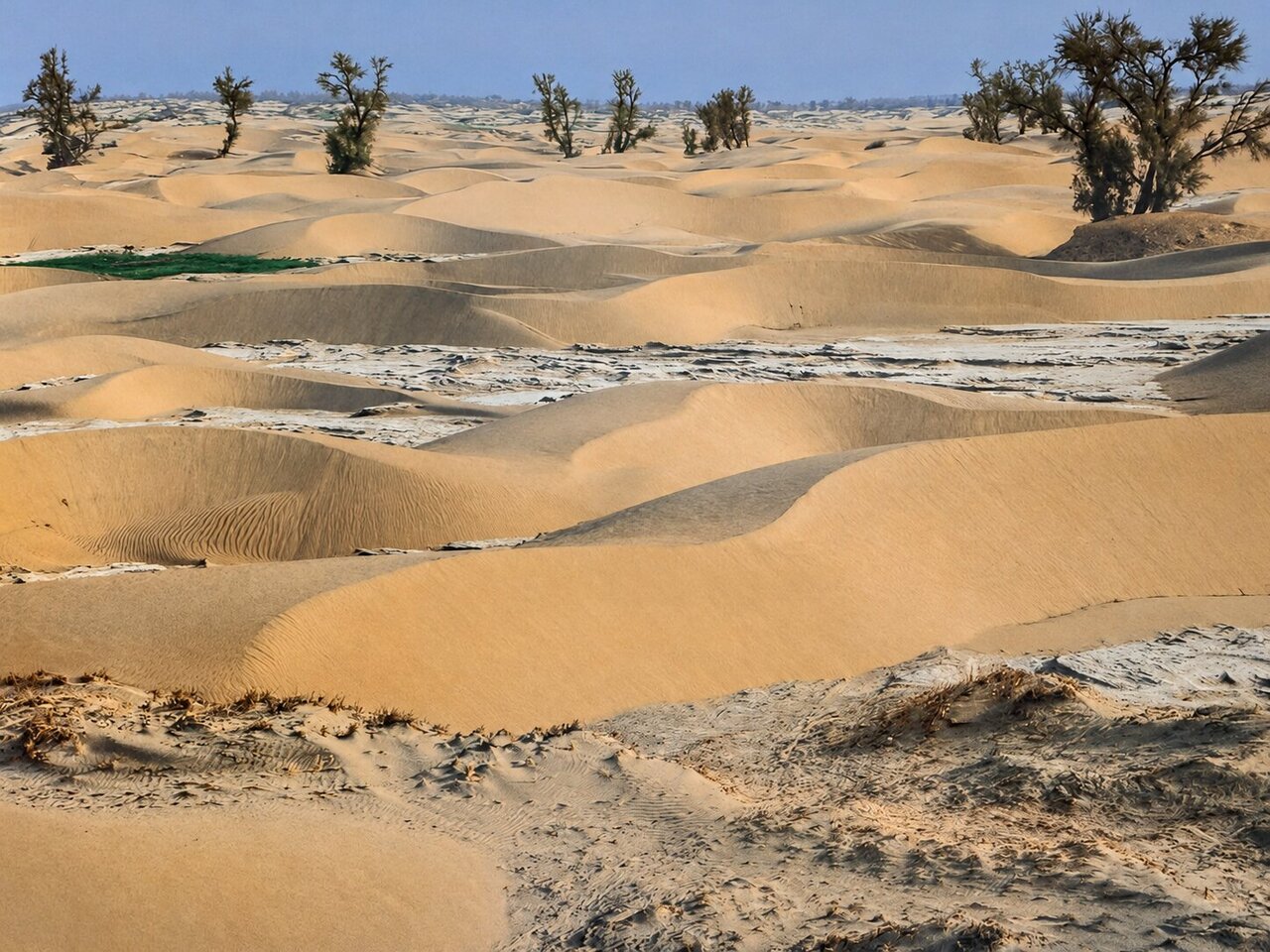
Sand and dust storms are an increasingly serious environmental and development challenge in Iran, affecting public health and livelihoods, damaging infrastructure and putting additional pressure on fragile ecosystems. More than 25 provinces are affected to varying degrees, highlighting the need to shift from responding to individual storms toward prevention, preparedness and long-term resilience.
Since 2023, UNDP has been working with Iran’s Department of Environment (DOE) and the National Secretariat for Policy Making and Coordination of Management for the Sand and Dust Storms Phenomenon to support this transition.
The national assessment combines data on SDS hazard intensity, ecological vulnerability and the exposure of populations and critical infrastructure. By bringing together environmental information with data on settlements, roads, railways and agricultural areas, the assessment identifies locations where vulnerable landscapes and exposed communities overlap.
The findings provide an evidence base for directing resources to areas where interventions can have the greatest impact, ranging from vegetation restoration and soil stabilization to wetland protection and measures to safeguard infrastructure and communities.
The assessment found that 20 percent of Iran’s territory falls within high- or very-high-risk SDS categories, underscoring the importance of targeted and preventive action.
“Sand and dust storms do not respect borders. Over the past three years, our partnership with UNDP has demonstrated what collective action can achieve, advancing mitigation and adaptation
measures across four provinces and strengthening resilience to their impacts,” said Dr. Behzad Raygani, secretary of the National Secretariat for Sand and Dust Storms.
At the same time, Iran is strengthening its capacity to anticipate and manage SDS events. With support from UNDP, forecasting and early-warning capabilities have been enhanced through fixed and portable monitoring systems. Technical work has also laid the foundation for a national and regional real-time SDS monitoring application.
The initiative extends from national systems to landscapes and local communities. Technical assessments in Khuzestan, Ilam, Yazd and Semnan have incorporated SDS considerations into biodiversity and landscape planning across approximately 47,000 hectares, linking SDS mitigation with ecosystem conservation and future investment decisions.
In Semnan’s Touran landscape, the integrated approach combines vegetation restoration, more efficient water use and improved grazing management with efforts to protect one of Iran’s most important biodiversity areas. SDS mitigation measures have also been implemented across 270 hectares of the Touran Protected Area, an important habitat for the endangered Asiatic cheetah.
Provincial capacity assessments in Ilam and Khuzestan have resulted in new action plans, clearer institutional responsibilities and stronger SDS working groups, helping translate national priorities into coordinated action at the local level.
These efforts form part of a broader national shift toward proactive SDS management, including plans to establish an online system for continuous monitoring of dust source areas and a decision-support system in Khuzestan.
The work comes as governments and international partners meet in Ulaanbaatar, Mongolia, from August 17 to 28, 2026, for the 17th Conference of the Parties to the United Nations Convention to Combat Desertification (UNCCD COP17). Held under the theme “Restoring Land. Restoring Hope.”, the conference is focusing global attention on land restoration, drought resilience and sustainable land management, with sand and dust storms also addressed through a dedicated high-level event.
Iran’s experience highlights the importance of connecting scientific evidence and risk information with practical action — from identifying areas facing the greatest risks and strengthening early-warning systems to restoring vulnerable ecosystems and engaging institutions and communities in mitigation efforts.
As countries at COP17 consider ways to accelerate action against land degradation and strengthen resilience, Iran’s experience underscores the importance of addressing sand and dust storms before they become airborne hazards.
UNDP, in partnership with national stakeholders and international partners, will continue to build on these efforts to strengthen resilience to SDS across Iran. Future areas of cooperation include drawing on local and indigenous knowledge to develop mitigation and adaptation measures, promoting innovative and multifunctional land-use solutions that combine land restoration, renewable energy and SDS management, and strengthening biodiversity conservation in landscapes increasingly exposed to sand and dust storms.
By bringing together science, local knowledge and nature-positive solutions, these efforts aim to reduce vulnerability, restore degraded landscapes and strengthen the resilience of communities and ecosystems.
source: tehrantimes.com