WHO representative highlights need for integrated personcentered care
WHO representative highlights need for integrated, person-centered care
TEHRAN - The WHO Representative in Iran has highlighted the importance of strengthening intersectoral collaboration and promoting integrated, person-centered care, while underscoring the need to expand community-based rehabilitation services and foster age-friendly environments to better respond to the needs of older people.
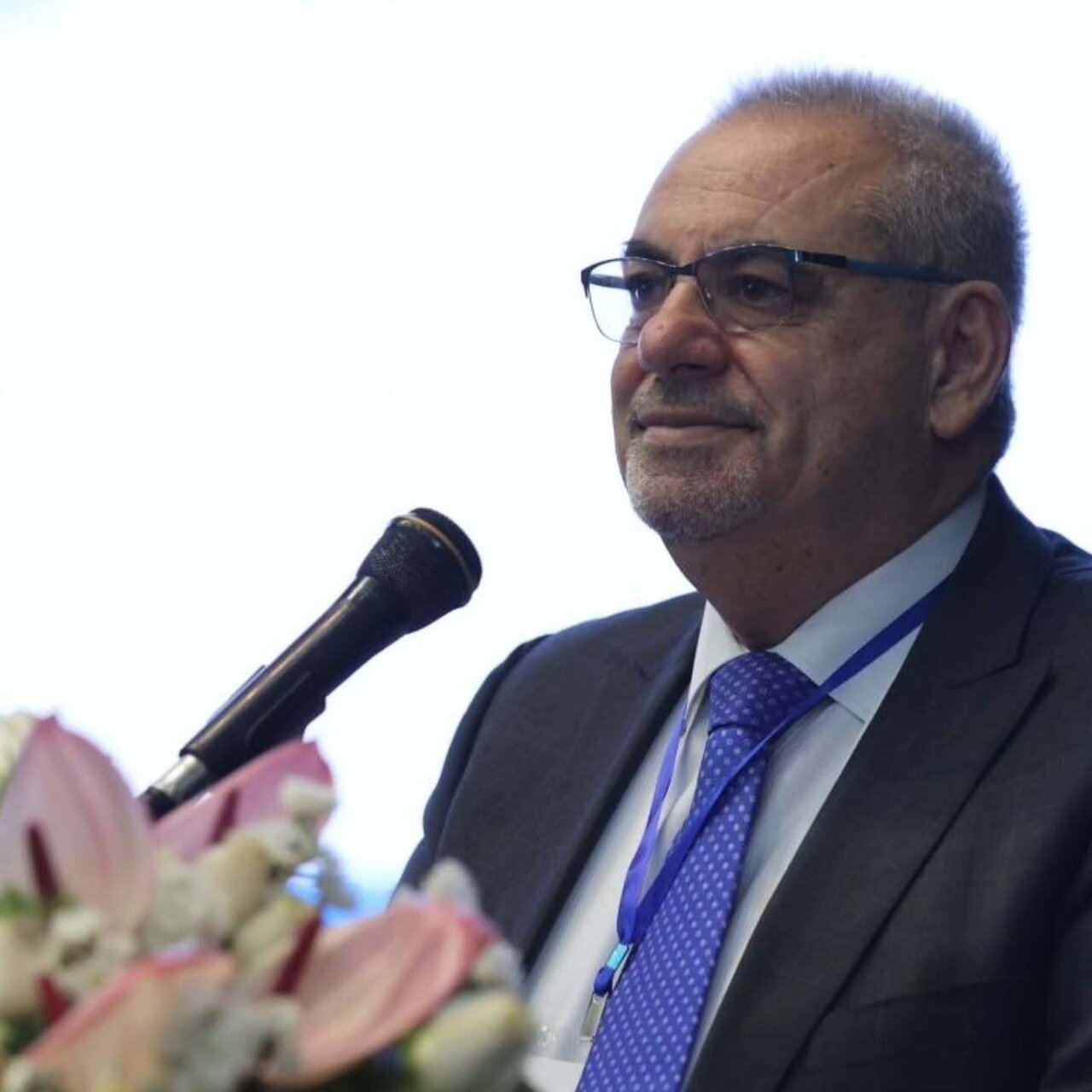
“Longer lives should not simply mean adding years to life. They should mean adding health, dignity, participation and meaning to those years,” Dr Jean Jabbour said on Thursday in a ceremony to commemorate the International Day of Older Persons.
WHO remains committed to supporting national programmes in the Islamic Republic of Iran through technical cooperation, capacity-building, knowledge exchange and stronger connections with international experience and networks.
As people live longer, health and social support systems must evolve to meet their needs throughout the life course.
On 14 December 1990, the United Nations General Assembly designated October 1 as the International Day of Older Persons. This was preceded by initiatives such as the Vienna International Plan of Action on Ageing, which was adopted by the 1982 World Assembly on Ageing and endorsed later that year by the UN General Assembly.
The 2026 United Nations International Day of Older Persons, under the theme "The Age of Longevity: Rethinking Systems for Longer Lives," calls on Governments, civil society, the private sector, researchers and older persons themselves to examine how societies can ensure that the additional years gained translate into healthy, productive, dignified and equitable lives for all.
Humanity is living longer than ever. Global life expectancy has risen steadily for over seven decades, yet the gap between life expectancy and healthy life expectancy reached 9.6 years in 2019, reflecting the growing burden of noncommunicable diseases. Longer lives are drawing greater attention to how health, social and economic conditions, and human rights are experienced across the life course.
Longevity intersects with health systems, labour markets, social protection, education, housing and fiscal sustainability in ways that cannot be addressed in isolation. Where years are lived in good health and supported by inclusive labour markets and effective social protection, longer lives can generate a longevity dividend. Conversely, without improvements in healthy life expectancy, older persons may spend more years in poorer health, limiting their functional ability, well-being, autonomy and participation.
The number of older people (defined as those aged 65 years or older) tripled from around 260 million in 1980 to 761 million in 2021. Between 2021 and 2050, the global share of the older population is projected to increase from less than 10% to around 17%.
Rapid growth in the number of people reaching older ages underscores the significance of promoting health, preventing, and treating illnesses throughout the entire course of life.
In societies with aging populations, it becomes imperative to adjust to the increasing number of elderly individuals who possess a diverse range of functional capacities. The capability to carry out essential functions and partake in everyday activities is influenced not solely by an individual's inherent capacity but also by the social and physical environments in which they reside. Supportive environments play a pivotal role in assisting older individuals to maintain their activity levels and independence as they progress in age.
Elderly to account for 30% of Iran’s population by 2050
With older adults already accounting for 13 percent of Iran’s population and the country’s fertility rate continuing to decline, demographic shifts are accelerating. Current projections indicate that within the next 25 years, nearly one-third of Iran’s population will be aged 60 and above.
Iran is aging, and this demographic shift will place significant pressure on the healthcare system, pension funds, social support agencies, and the national economy. To prevent the consequences of an aging population, the country is pursuing policies aimed at boosting the youth population and incentives for childbearing.
According to Marzieh Vahid-Dastjerdi, the secretary of the National Population Headquarters, the young population is one of the indicators that has to be paid attention to. The young population is the share of the population aged less than 15 years old. In Iran, it forms 21.5 percent of the total population, that is, 21.5 out of 100 individuals are below 15 currently. However, it is declining with falling birth rates.
Fortunately, Iran is in a population window of opportunity – a period when a large proportion of the population is of working age; the country has 15 to 20 years before the demographic window begins to close.
Alireza Raeisi, an official with the health ministry, says that “Population decline is itself a consequence rather than a cause; therefore, to reverse the trend, the various economic, social, cultural, and familial factors that have led to reduced fertility must be identified, analyzed, and addressed. Furthermore, even if we succeed in increasing the population, we must bear in mind that population aging is inevitable.”
source: tehrantimes.com