Iran ready to present investment projects to Turkmenistan regional partners
Iran ready to present investment projects to Turkmenistan, regional partners
TEHRAN- Deputy Minister of Economic Affairs and Finance and Head of Iran's Investment Organization announced Iran's readiness to present feasibility-studied projects in the fields of energy, transit, agriculture, industry, and special economic zones to Turkmenistan and the Commonwealth of Independent States.
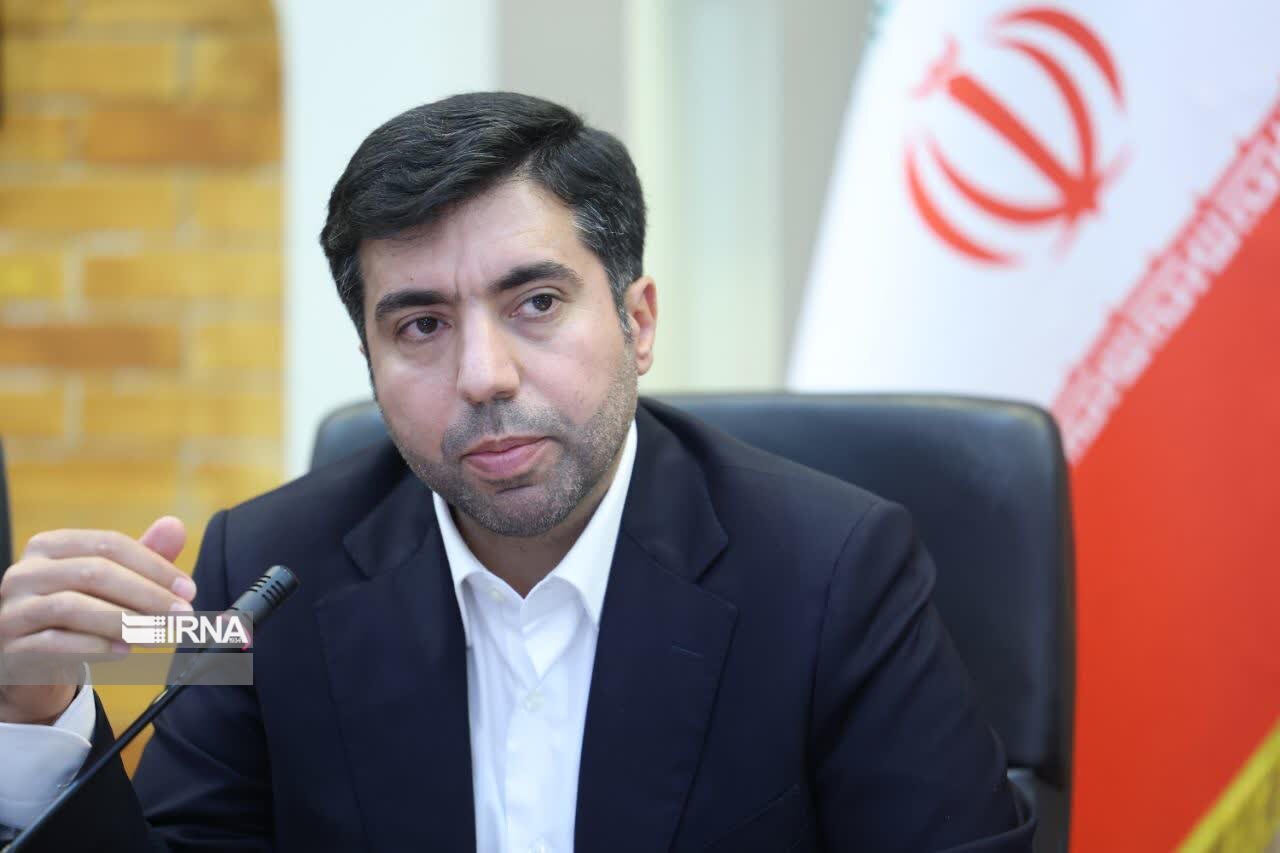
According to an IRNA report from the Ministry of Economic Affairs and Finance, Mehdi Heydari announced on Thursday at the Ashgabat Investment Conference Iran’s readiness to present feasibility-studied projects in the fields of energy, transit, agriculture, industry, and special economic zones to Turkmen partners and the Commonwealth of Independent States.
Referring to the historical and strategic relations between Iran and Turkmenistan, he considered presence at this conference an opportunity to open a new chapter in economic cooperation between the two countries and emphasized the development of joint investment, strengthening infrastructure, technological cooperation, and private sector participation.
Heydari considered the future of investment in the region dependent on expanding connections among markets, and listed the International North–South Corridor, the Middle Corridor, and the development of links between Central Asia, the Caspian region, the Persian Gulf, and global markets as opportunities for the formation of regional value chains.
The Deputy Minister of Economic Affairs and Finance said: Iran can provide Turkmenistan and other Central Asian countries with access to the Persian Gulf, open waters, and Middle Eastern markets. In return, Turkmenistan and Central Asia can provide the ground for expanding Iran's access to the Eurasian economic space. From this perspective, investment should, in addition to transferring capital, help strengthen the region's economic ties.
He considered existing cooperation a support for the development of joint projects and referred to the Korpeje–Kordkuy gas pipeline, the Doosti Dam, the Kazakhstan–Turkmenistan–Iran railway, the Incheh Borun–Bereket rail connection, electricity cooperation, and the Sarakhs border area as examples of the two countries' experience in implementing major cross-border projects.
The Head of Iran's Investment Organization introduced four areas—energy; transit and logistics; agriculture and food industries; and industrial investment in free and special economic zones—as priorities for future cooperation.
Heydari listed the energy sector, gas swap, energy transmission and storage, refining, and petrochemicals as areas of cooperation and stressed: Investment in these areas can help link the region's energy resources and infrastructure.
In the field of transit and logistics, he also considered investment in rail and road fleets, border terminals, logistics centers, and Caspian Sea transport links as a solution for reducing the cost and time of regional trade.
The Deputy Minister of Economic Affairs and Finance, in the agriculture and food industries section, emphasized the potential for linking Central Asian agricultural products with Iran's processing, packaging, and distribution capacity, and described this cooperation as a basis for joint presence in regional and international markets.
Heydari introduced Iran's free and special economic zones as platforms for industrial investment that provide access to the country's domestic market alongside utilizing the region's transit routes and neighboring markets.
He announced: Investment opportunities must be accompanied by clear institutional mechanisms, predictability, and implementable projects. According to him, Iran is strengthening the investment facilitation framework to respond to these needs.
The Head of Iran's Investment Organization, referring to the Foreign Investment Promotion and Protection Act, introduced Iran's Investment Organization as the official authority for the entry of foreign investors and announced efforts to strengthen provincial investment service centers and expand cooperation with qualified private sector entities in facilitating investment.
Heydari also considered strengthening infrastructure, forming regional value chains, and creating long-term benefits for participating countries among the goals of these cooperations, and invited regional partners to turn economic talks into executable projects and joint investments.
MA
source: tehrantimes.com